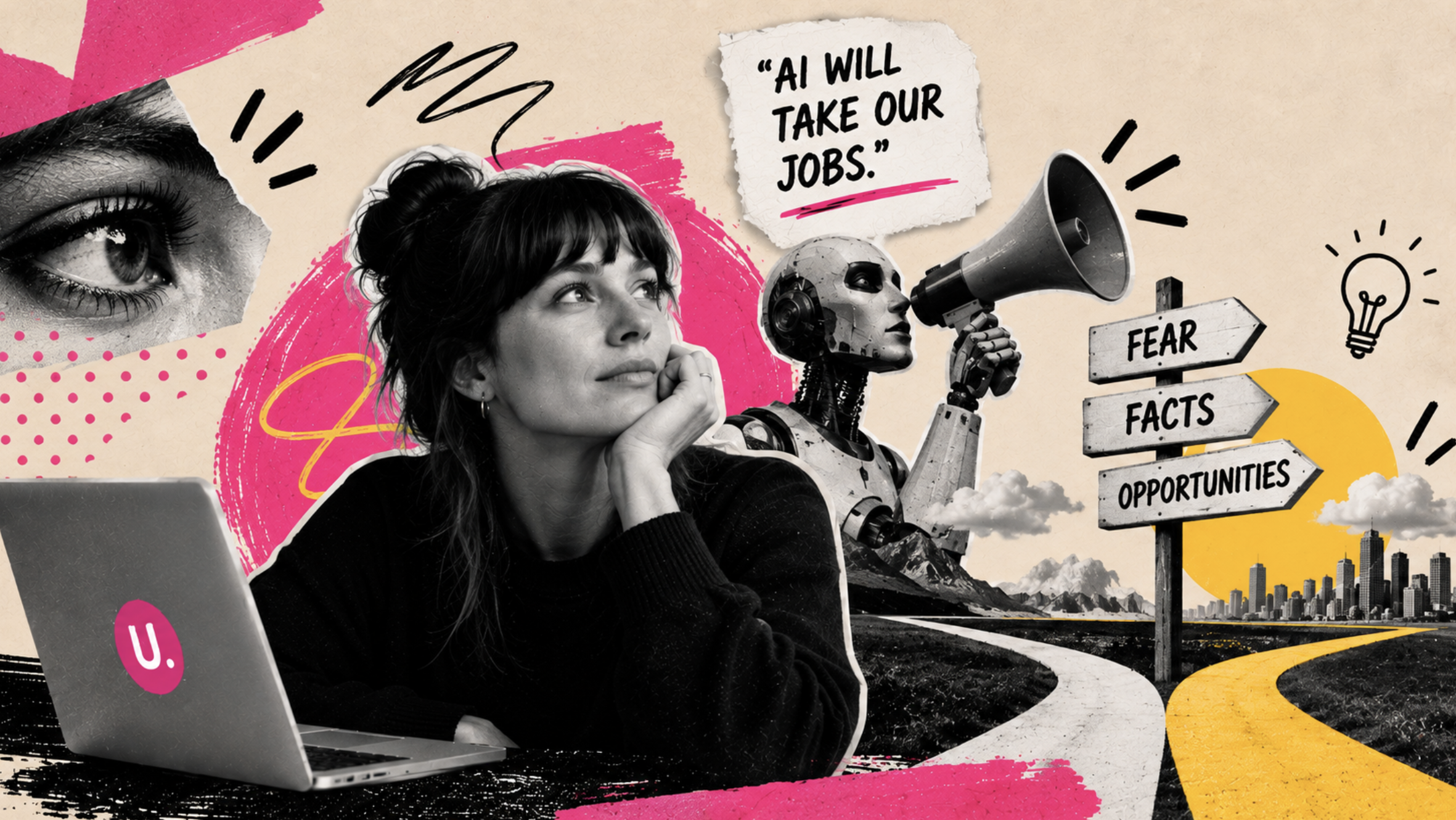
“AI will take our jobs.”
It’s one of the strongest stories about artificial intelligence. It’s simple, emotional and easy to remember.
The reality is much more complicated. AI is changing different jobs, tasks and industries in very different ways.
But complexity rarely makes a good headline.
The problem isn’t that concerns about AI and jobs are wrong. The problem is when one simple narrative becomes the whole story about AI.
How does storytelling influence our perception of AI?
We use stories to understand things that are difficult or unfamiliar.
“AI replaces 5,000 jobs” gives us a clear story with a beginning, consequence and emotional response.
“How AI changes hundreds of tasks across different occupations” requires much more explanation.
This matters because storytelling doesn't only influence whether we think AI is good or bad. It can also influence who we believe AI is for.
AI can quickly become something for programmers, tech companies and people who already understand technology.
And that creates another powerful story:
“AI isn't for me.”
Why understanding AI matters
You don't have to be optimistic about AI to learn about it.
In fact, skepticism is one of the best reasons to understand it.
If artificial intelligence is going to affect our jobs, companies and society, knowledge gives us a better position from which to question how it's being used.
Understanding AI doesn't mean believing in it. It means being able to form your own opinion about it.
And as AI becomes part of everyday work, that distinction becomes increasingly important.
From AI replacing humans to Human-AI collaboration
This question has shaped how we think about AI at Upbeater.
We didn't start by asking:
How much work can AI automate?
We started with:
What is AI good at? What are humans better at? And what happens when we design work around both?
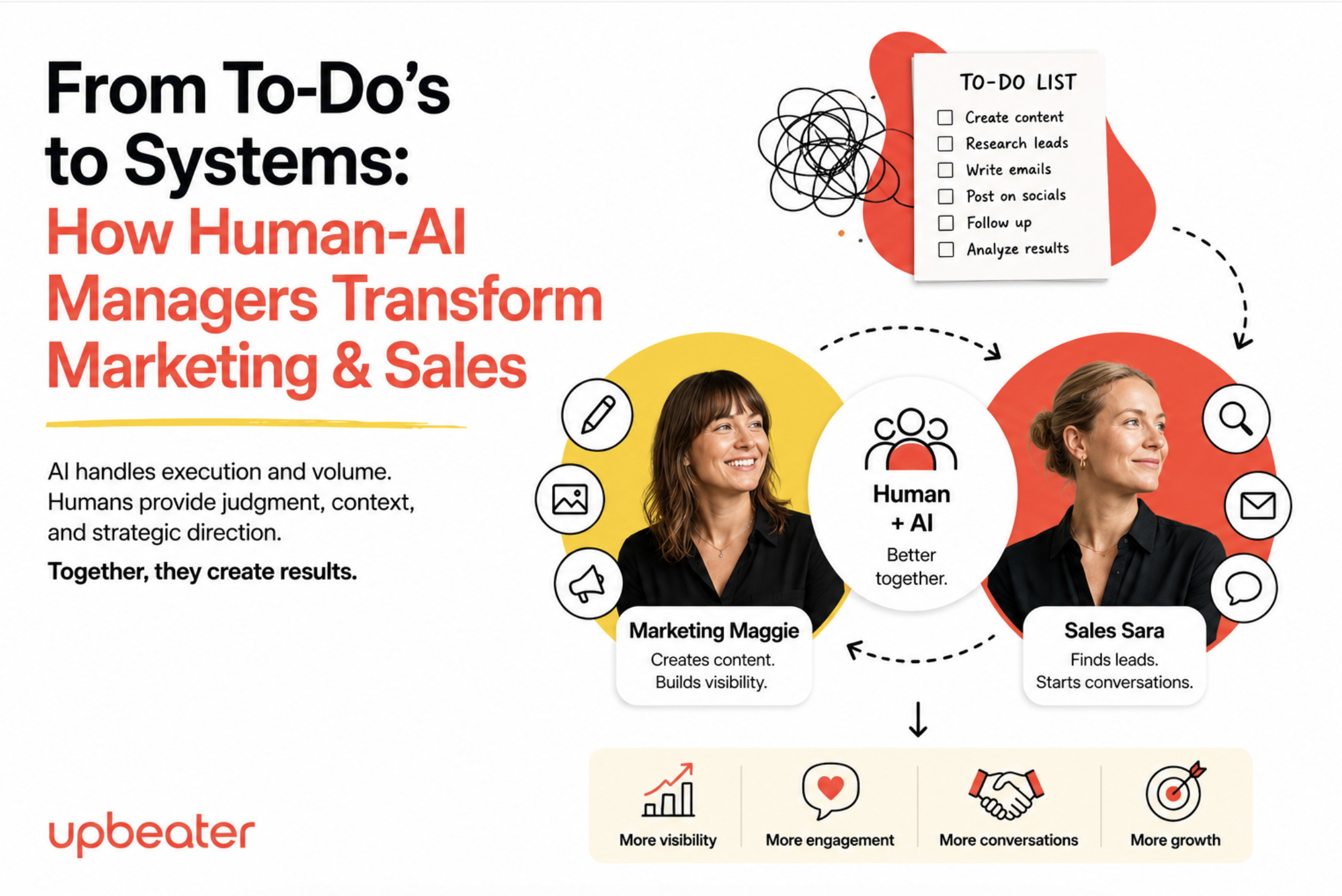
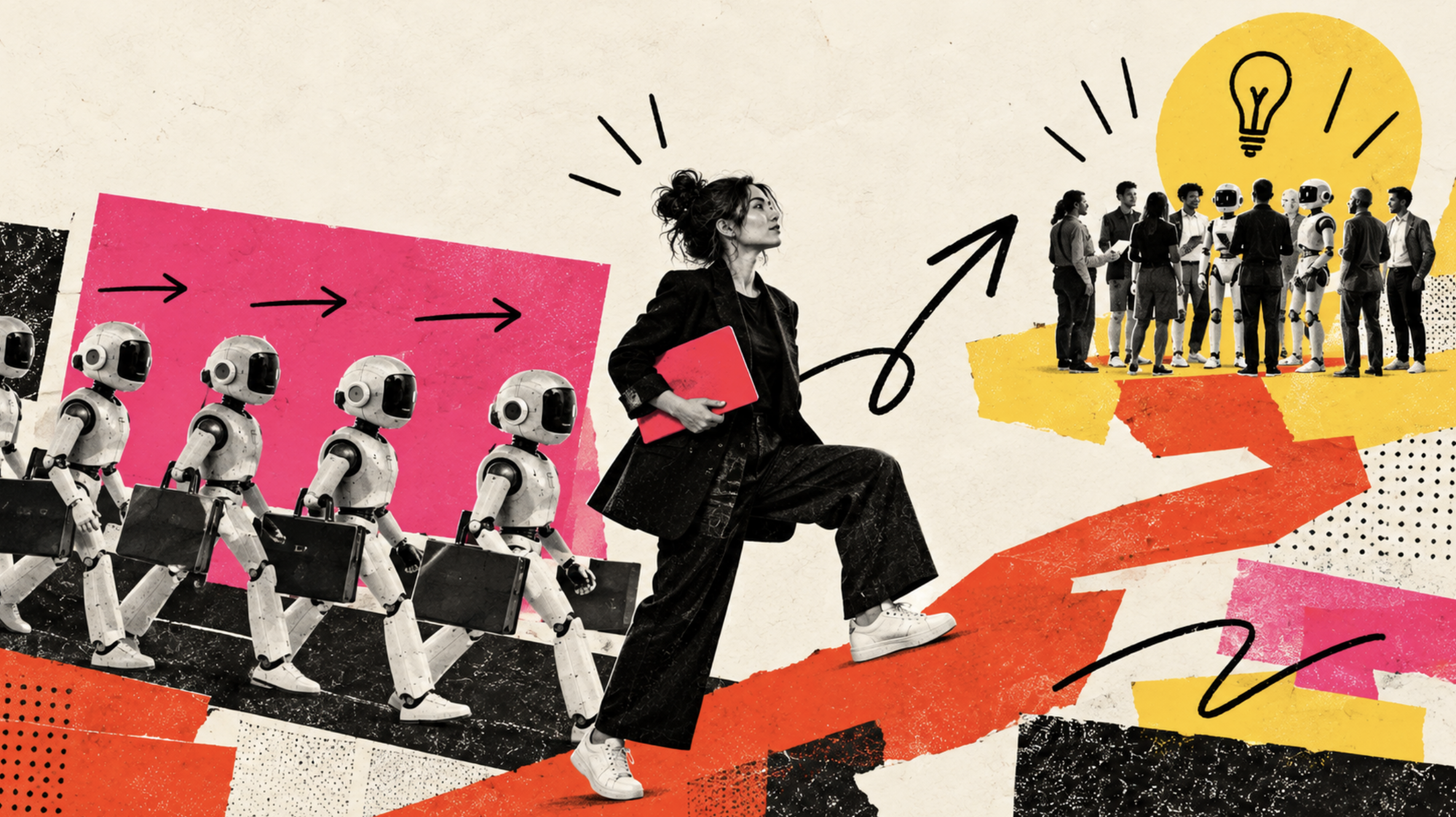
That led us towards Human-AI teams.
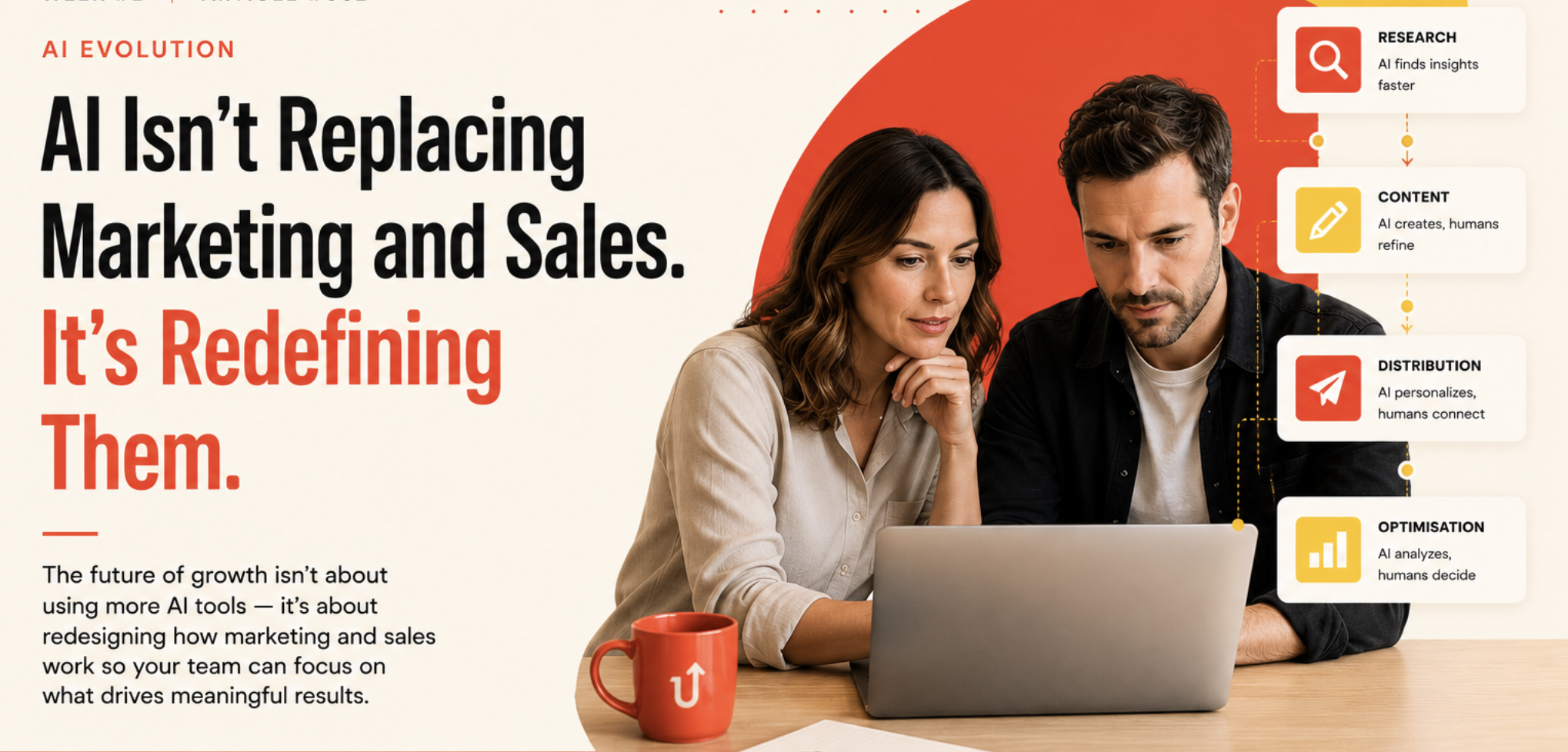
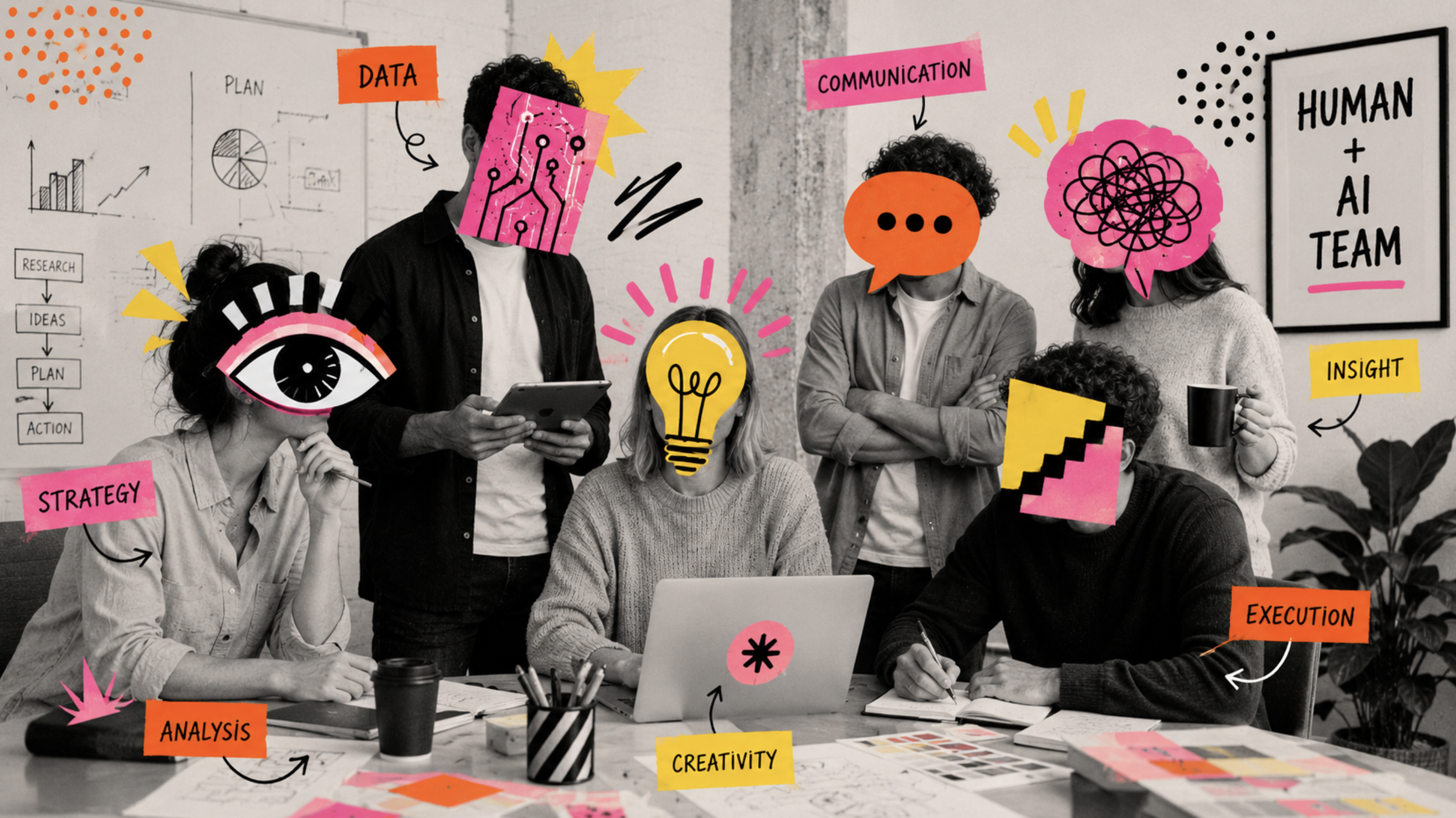
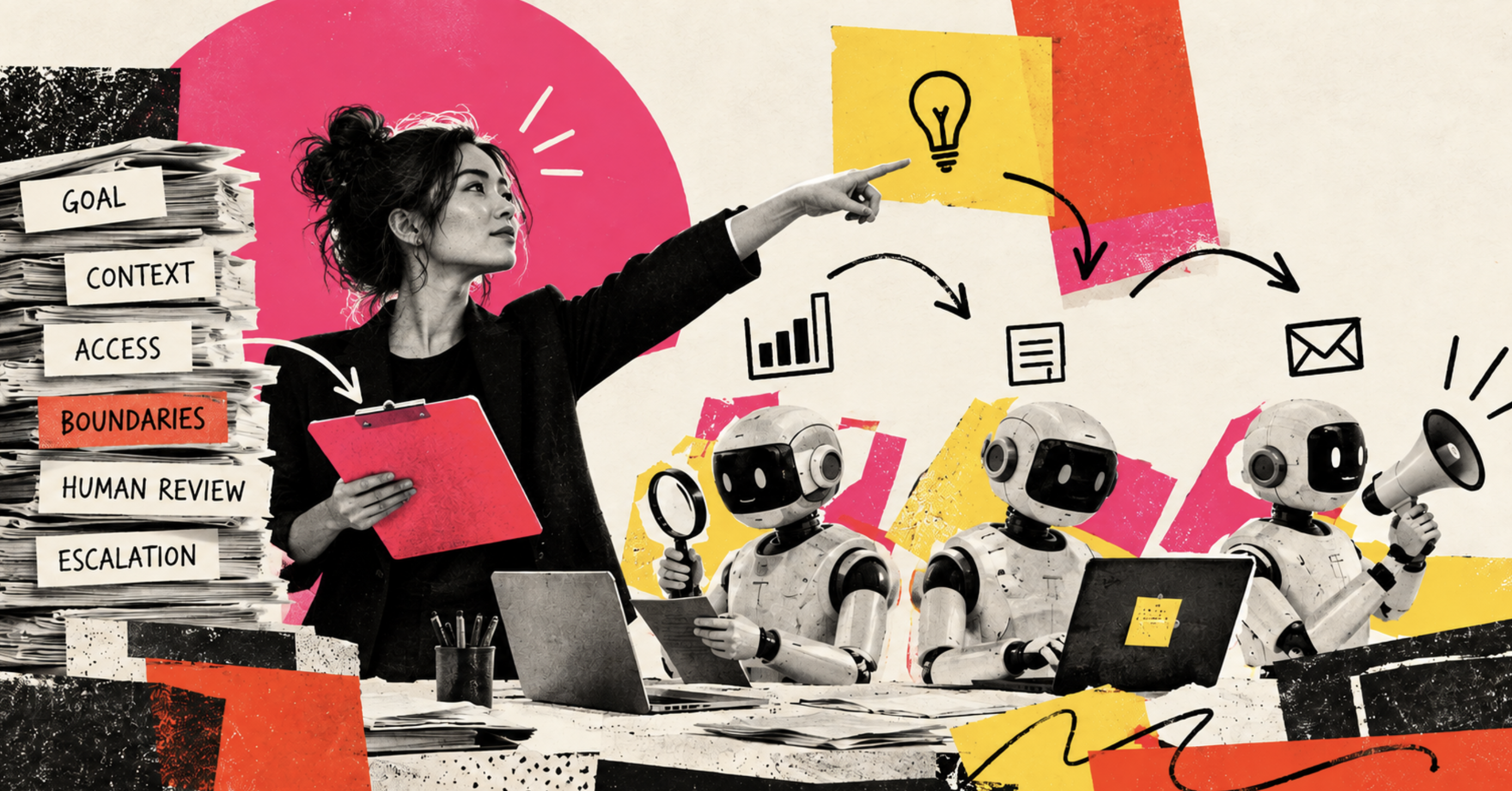
In marketing and sales, for example, AI can handle repetitive production, research, first drafts and execution. Humans can provide context, judgment, customer understanding and decision-making.
The story changes from:
“AI will replace people.”
to:
“AI changes what people can do.”
Same technological shift. A very different way of understanding what it could mean for work.
What is Human-AI collaboration?
Human-AI collaboration is a way of designing work so that people and AI handle the tasks they are best suited for.
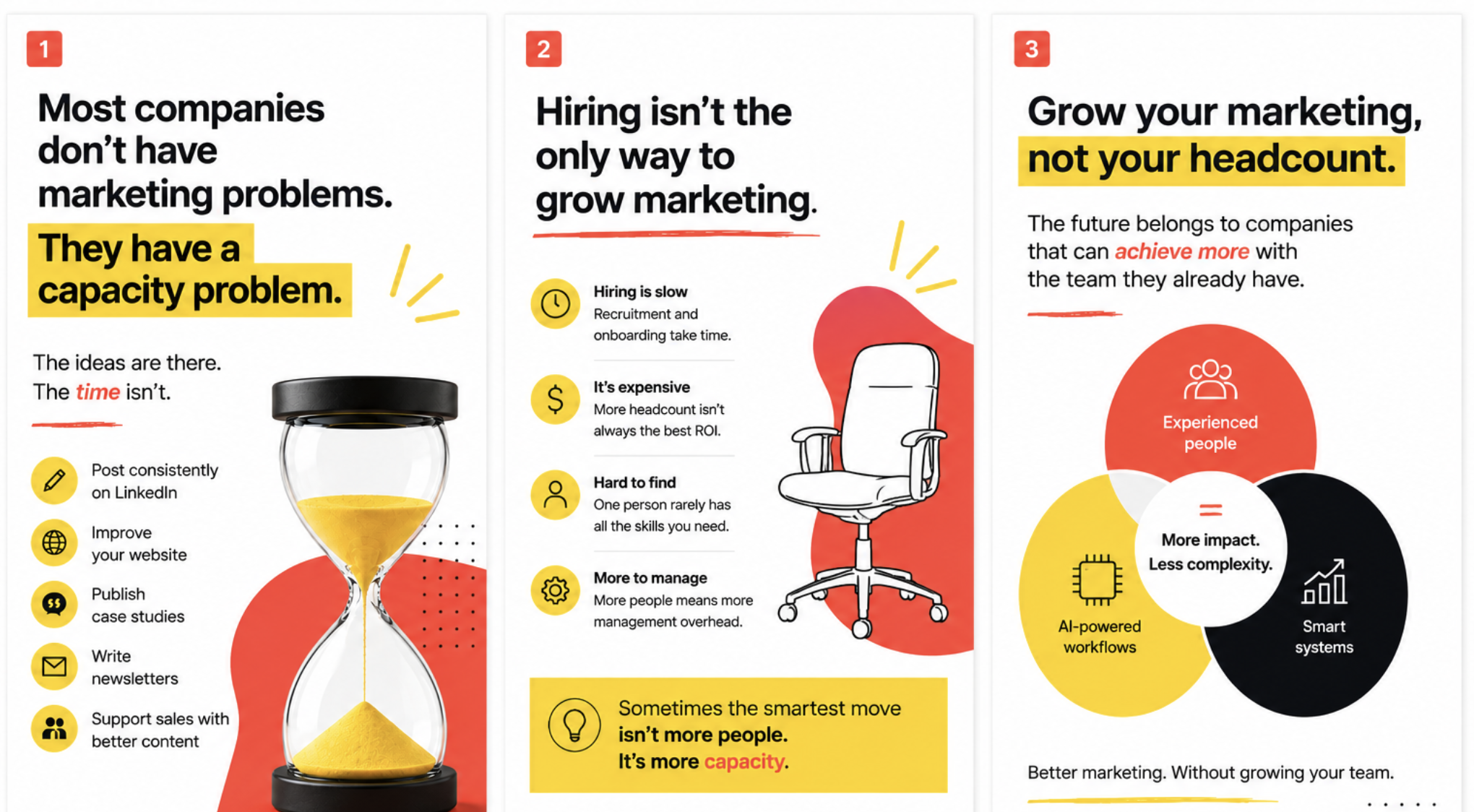
It isn't simply about adding an AI tool to an existing workflow. It means deciding where automation creates value, where human judgment is necessary and how the two work together.
That makes the conversation about AI much more interesting than whether it will simply “replace jobs.”
The question becomes: How should we redesign work around the capabilities of both humans and AI?
Can storytelling change how people think about AI?
Yes, but that doesn't mean turning a negative story into a positive one.
Good storytelling can do something more useful:
Make the story bigger.
It can make complex technology understandable, introduce perspectives that are missing and connect abstract technological change to people's everyday lives.
Perhaps most importantly, it can change the feeling of who gets to participate.
From:
“This isn't for me.”
to:
“I should probably understand what this means for me.”
The AI conversation needs more people in it
We will continue to encounter technologies that feel unfamiliar, threatening or simply irrelevant to us.
The goal shouldn't be to convince everyone that AI is good.
It should be to make the changes understandable enough that more people can participate in the conversation about what happens next.
Because the important question isn't whether you believe in AI.
It's whether you understand enough about it to decide for yourself what you think, how you want to use it and what role you want it to have.
Knowledge is power. And understanding change gives us a better chance of shaping it.