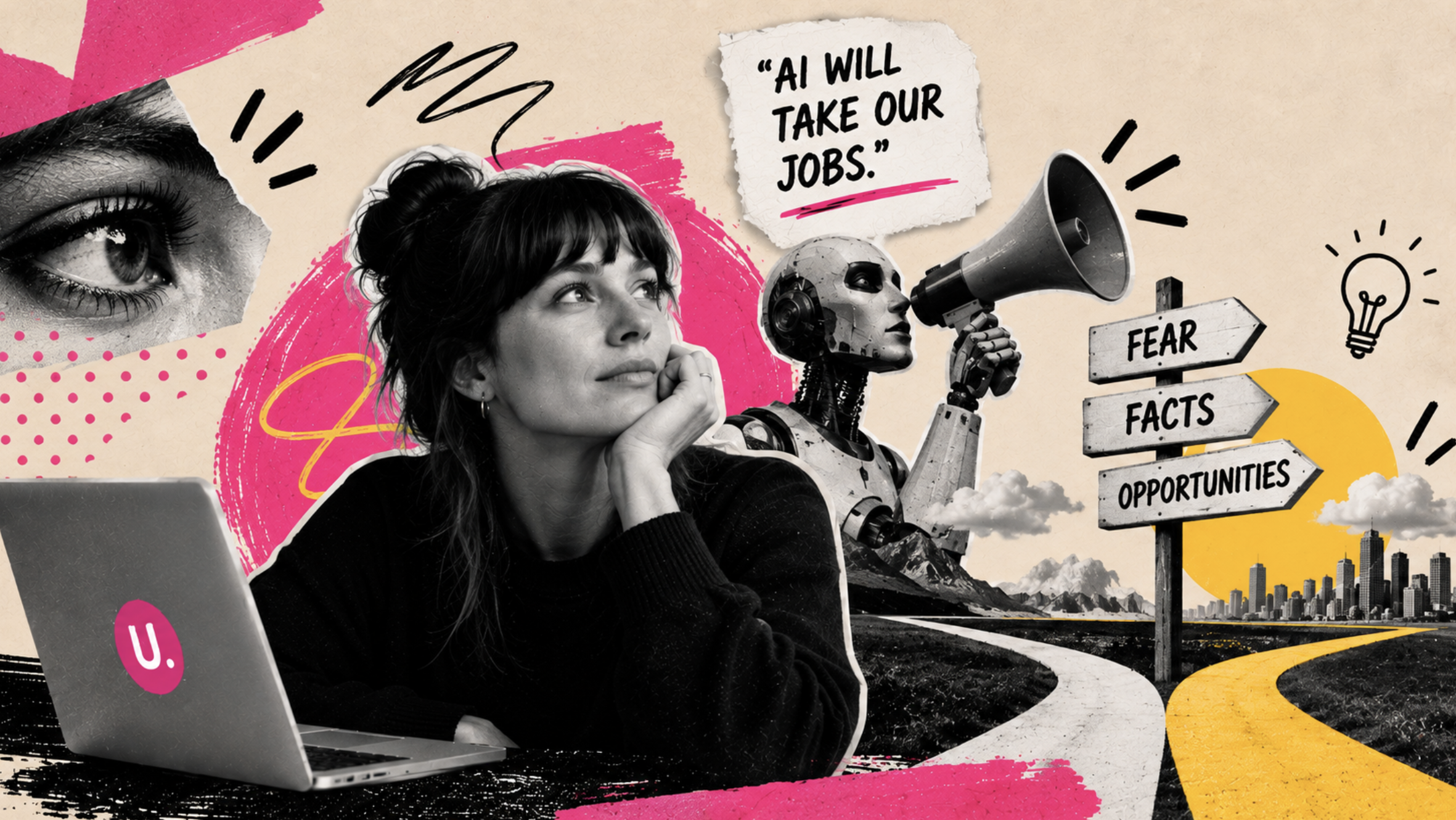
The better AI gets at doing the work, the more I find myself thinking about how we manage it. As AI takes on larger parts of our workflows, our role changes with it. We need to decide what to delegate, how much freedom to give it, where the boundaries sit and when a human needs to step back in. The more capable AI becomes, the more important these decisions become.
Managing AI is becoming a skill in its own right.
From instruction to delegation
Giving an AI agent a goal and allowing it to work towards it is a form of delegation.
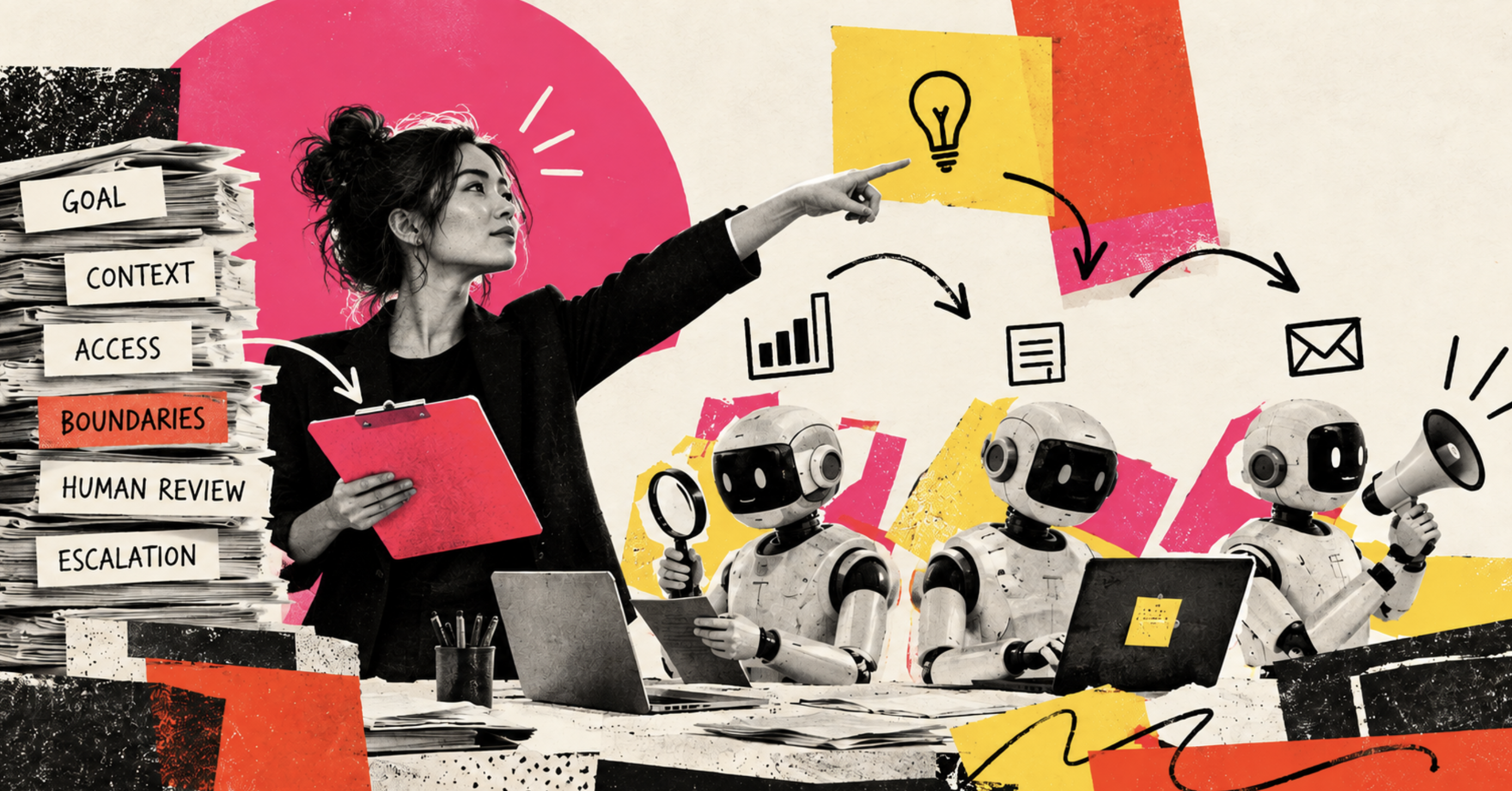
Good delegation requires context, clear objectives and boundaries. What information does the AI need? What decisions can it make? What needs human review? Who is responsible for the final outcome?
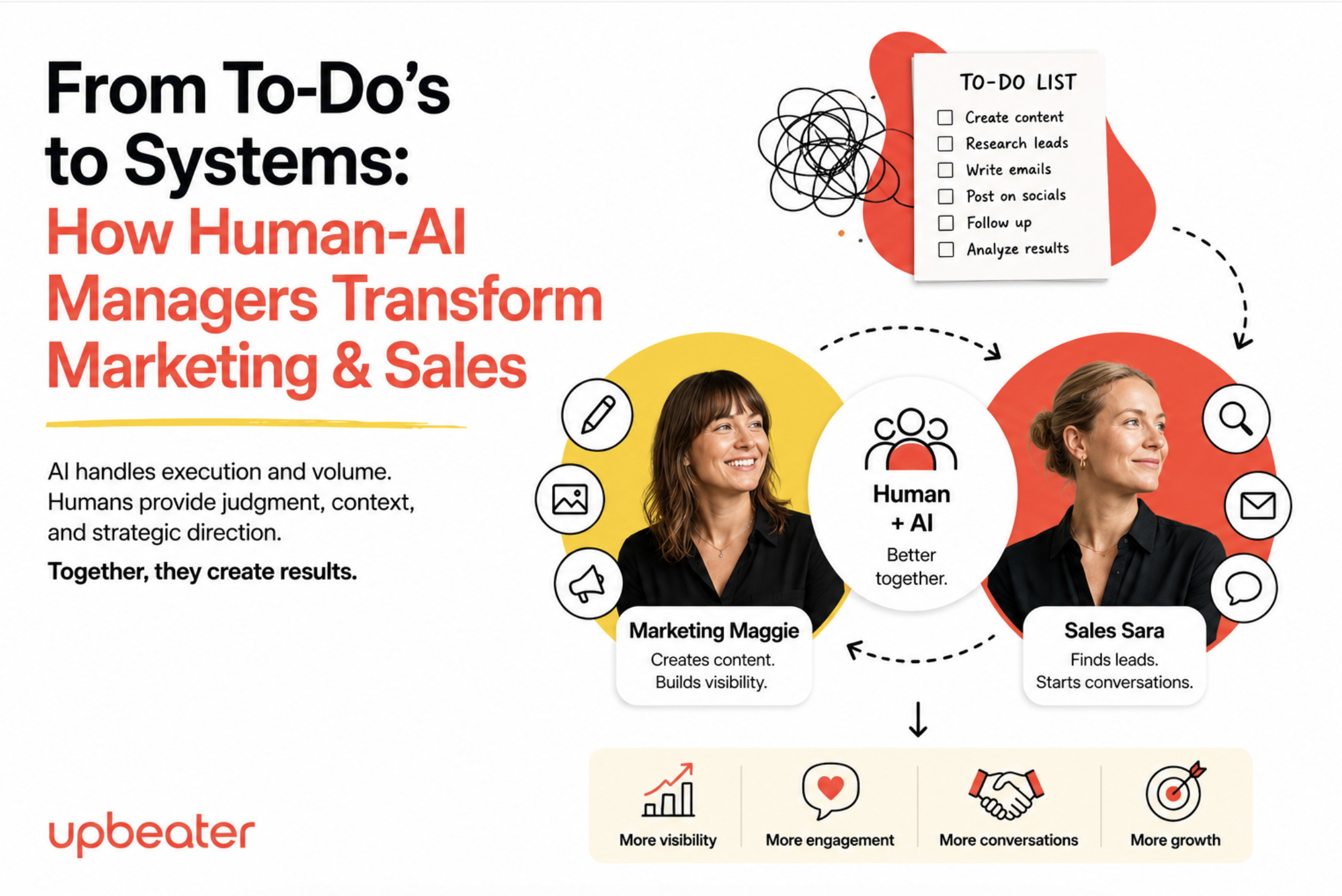
I see this in our own work at Upbeater. The better AI becomes at executing tasks, the more important the work around the AI becomes.
These are management questions as much as technology questions.
AI safety is also about management
This becomes even more important in the current discussion around AI safety.
As agents become more autonomous, the risk is no longer only that AI generates something incorrect. An agent with access to email, company data or other systems can also act on incorrect information or misunderstand what we intended.
Anthropic describes this as one of the central challenges of agentic AI: the autonomy that makes agents useful also creates more opportunities for unintended actions.
So AI safety quickly becomes very practical.
What can the AI access? What is it allowed to decide? Which actions require approval? When should something be escalated to a human?
And simply putting a human in every step isn’t necessarily the answer. Anthropic has also found that too many approval requests can lead to people approving almost automatically.
Good AI management isn’t about watching everything AI does. It’s about designing the right level of autonomy in the first place.
Managing AI is becoming part of our jobs
For someone who has spent much of their career in creative work, this feels strangely familiar.
Creative direction has never been about executing every part yourself. It’s about setting direction, giving the right context, evaluating the work and knowing when something isn’t right.
AI is making that ability relevant to many more roles.
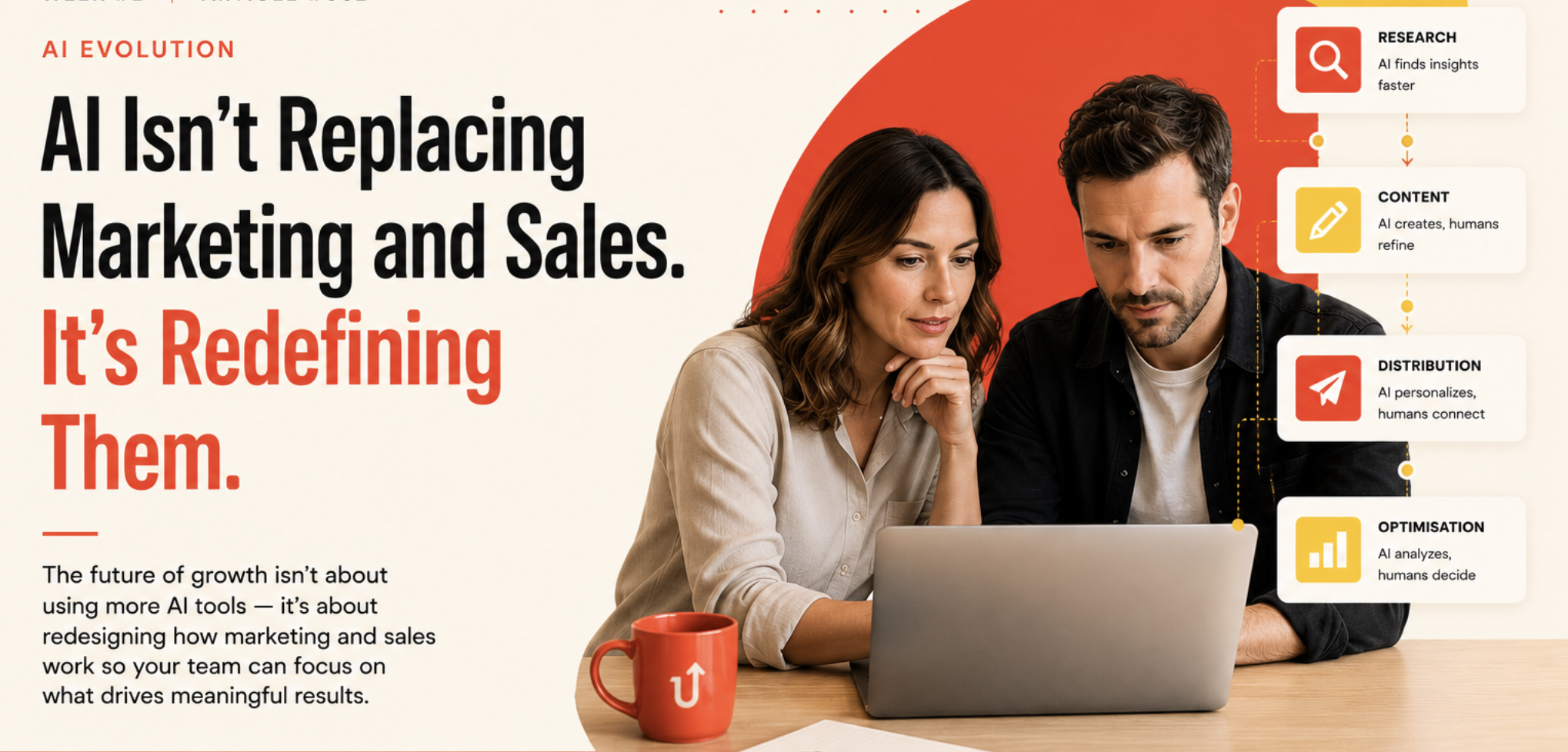
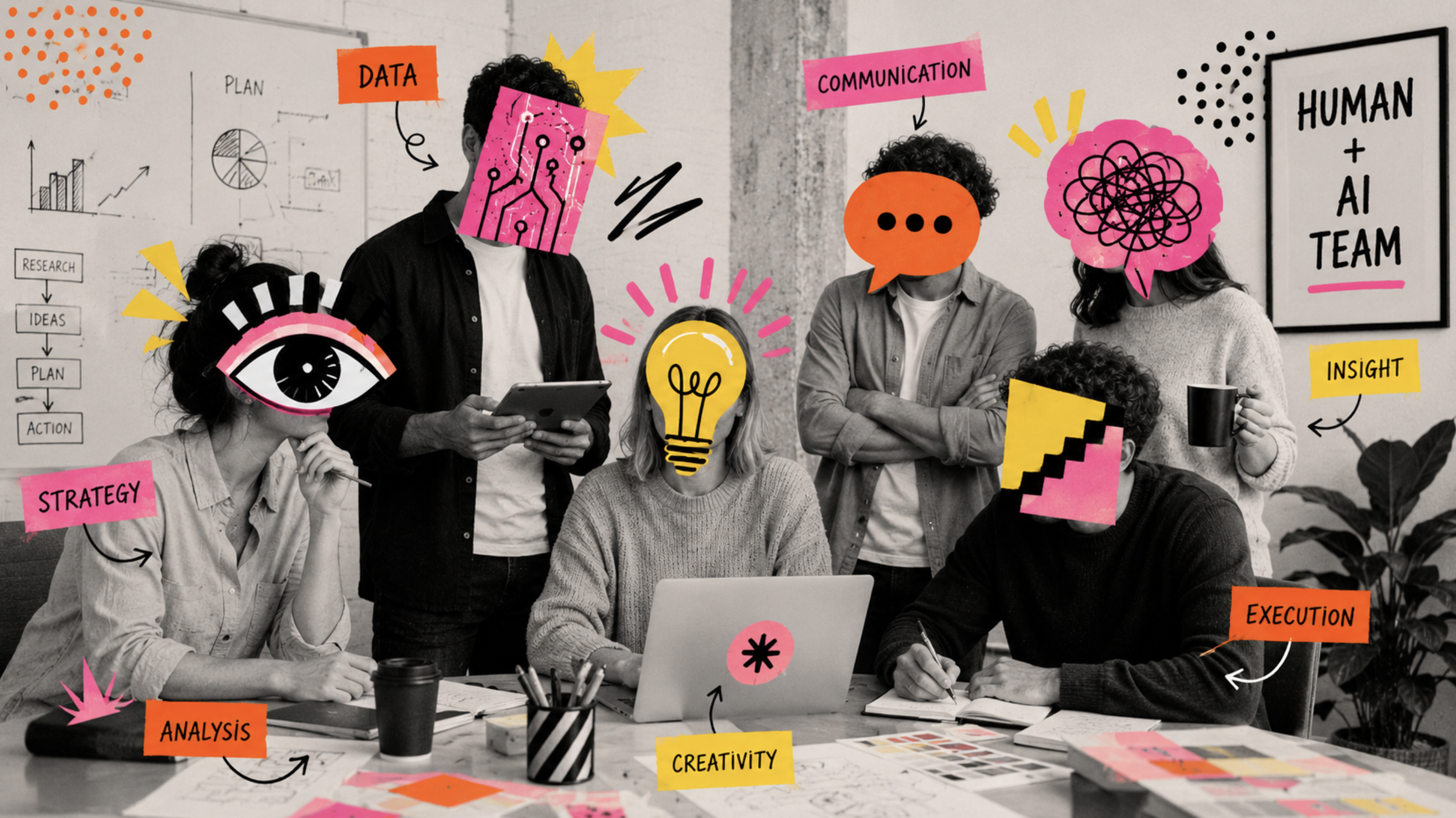
As more execution moves to AI, more of our value will sit in direction, judgment, context and decision-making.
The best Human-AI setup isn’t the one where AI does the most. It’s the one where we have made good decisions about what AI can do independently and where humans create value.
As AI becomes more capable, managing that relationship becomes part of the work itself.
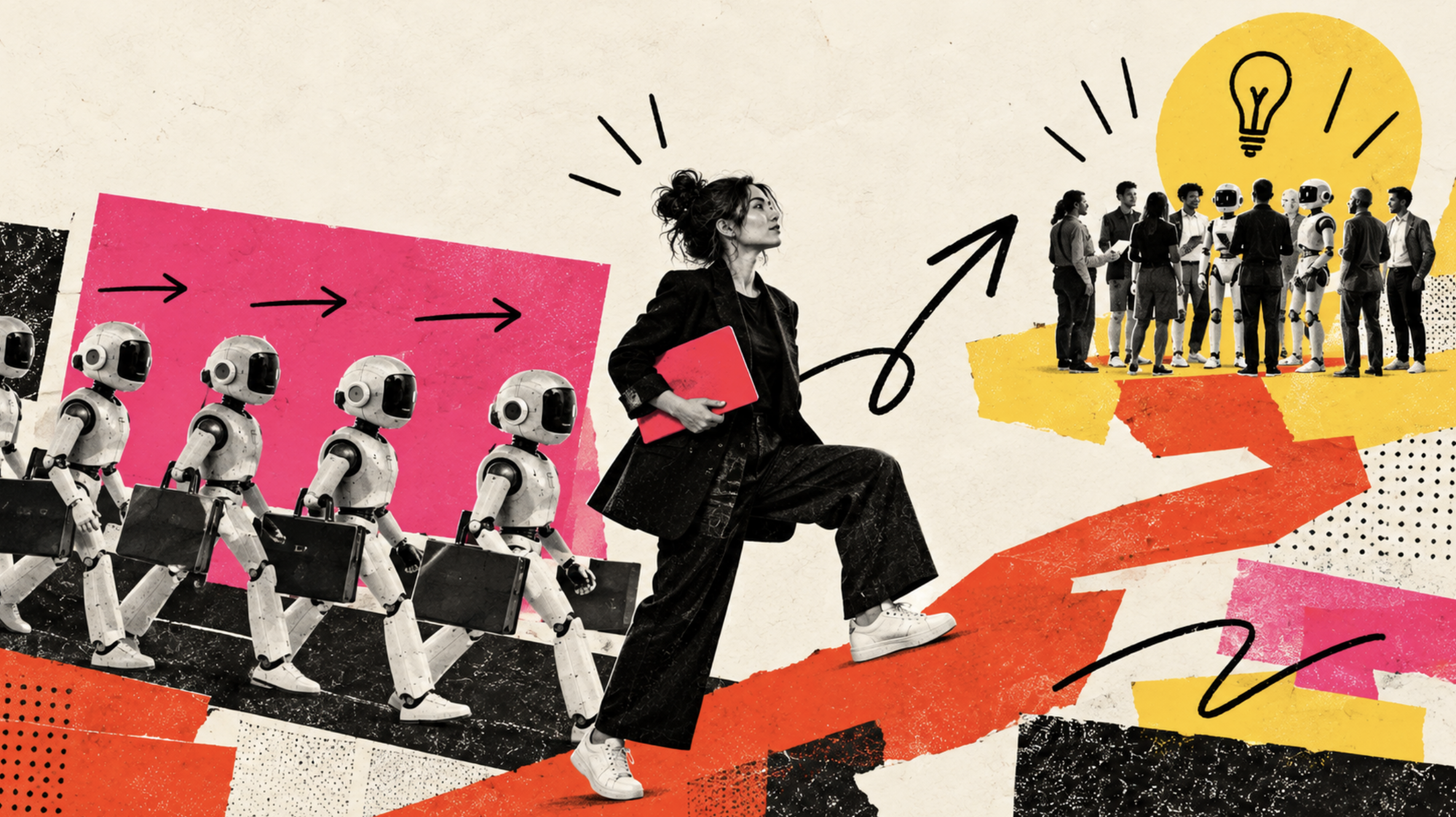
We are becoming responsible for directing a new kind of workforce.