A team used to mean a group of people with different roles and responsibilities. AI is starting to change that definition. As agents become capable of handling longer and more complex tasks, companies can increasingly divide work between humans and AI based on what each does best. The result isn't simply automation. It's the emergence of a new kind of team.
What Is a Human-AI Team?
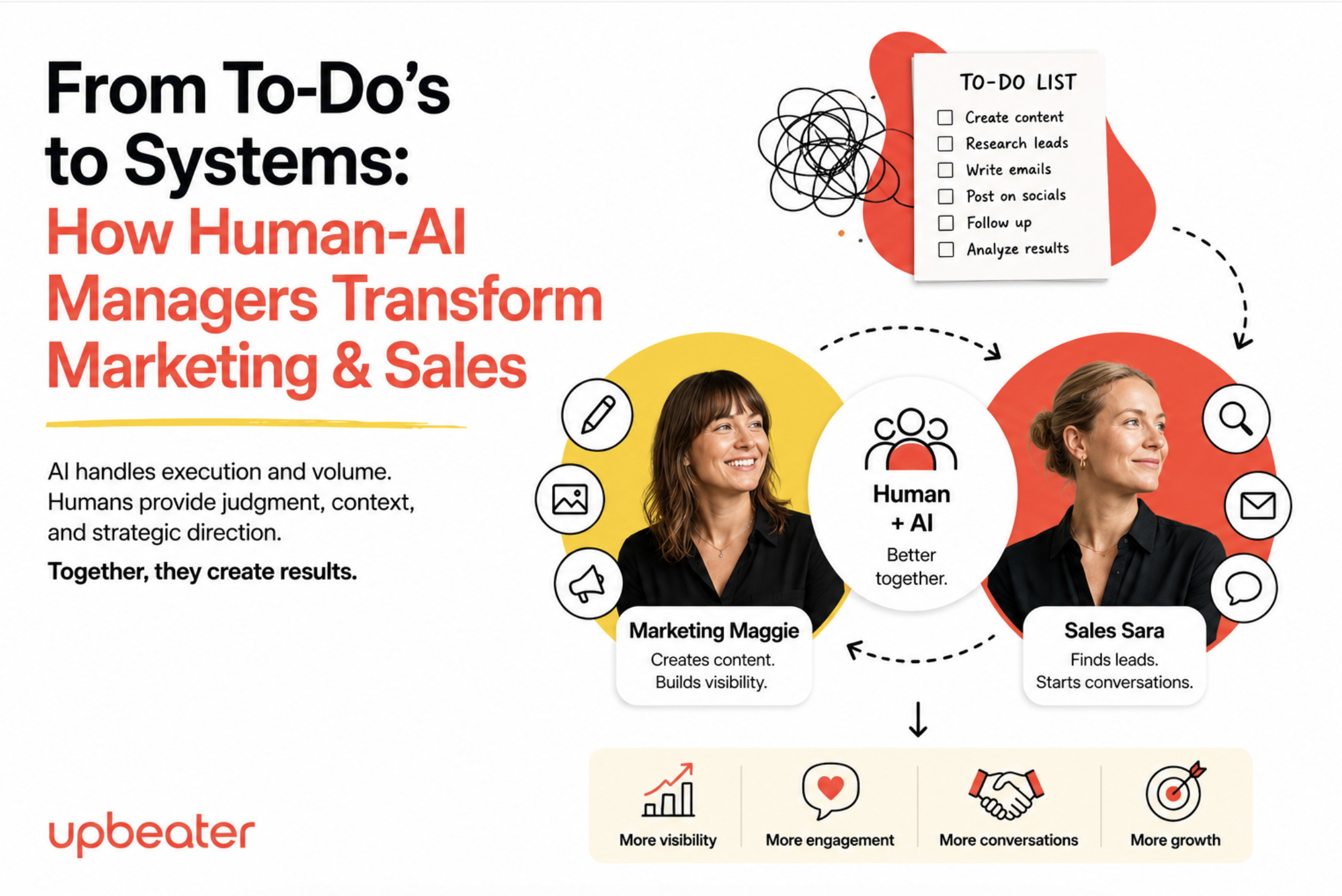
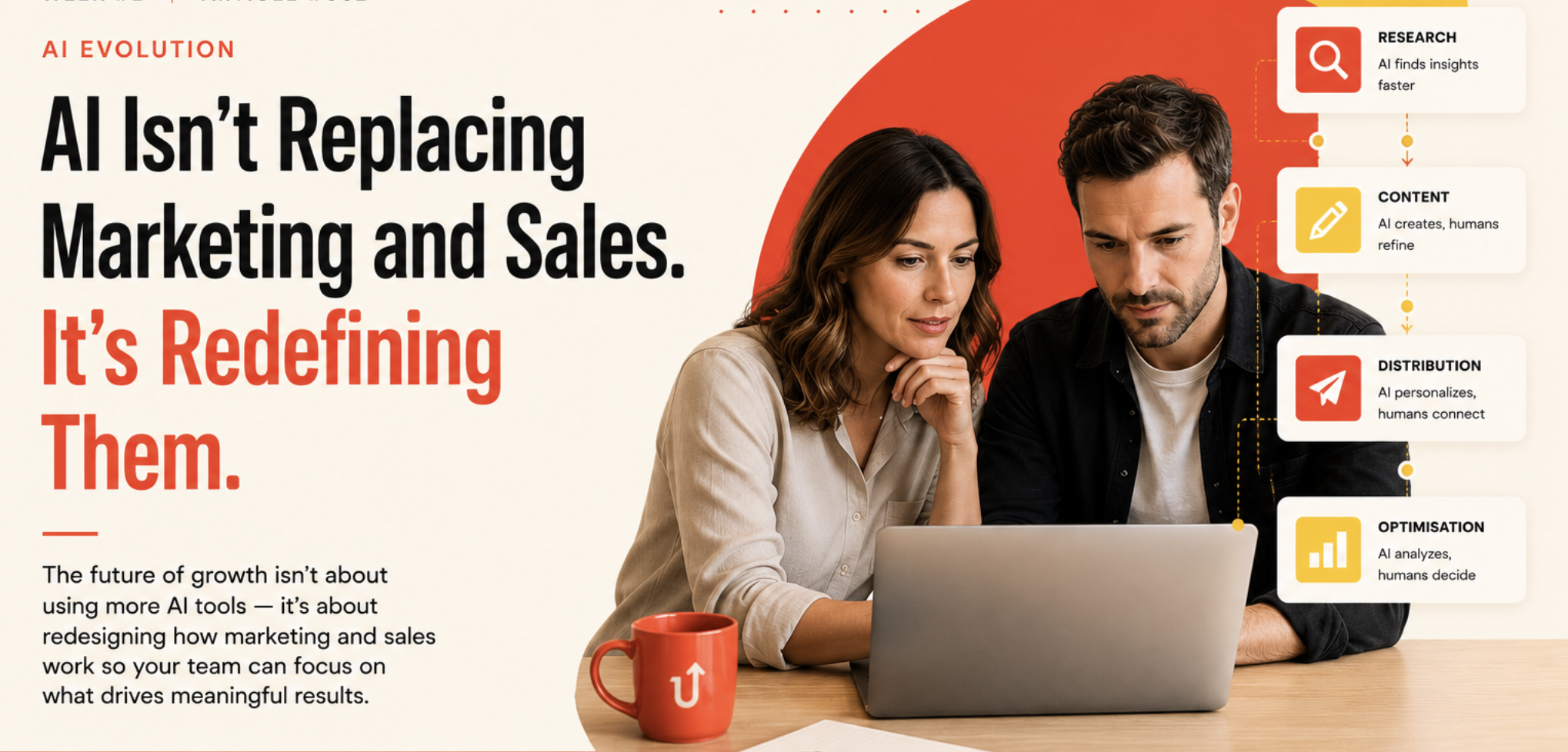
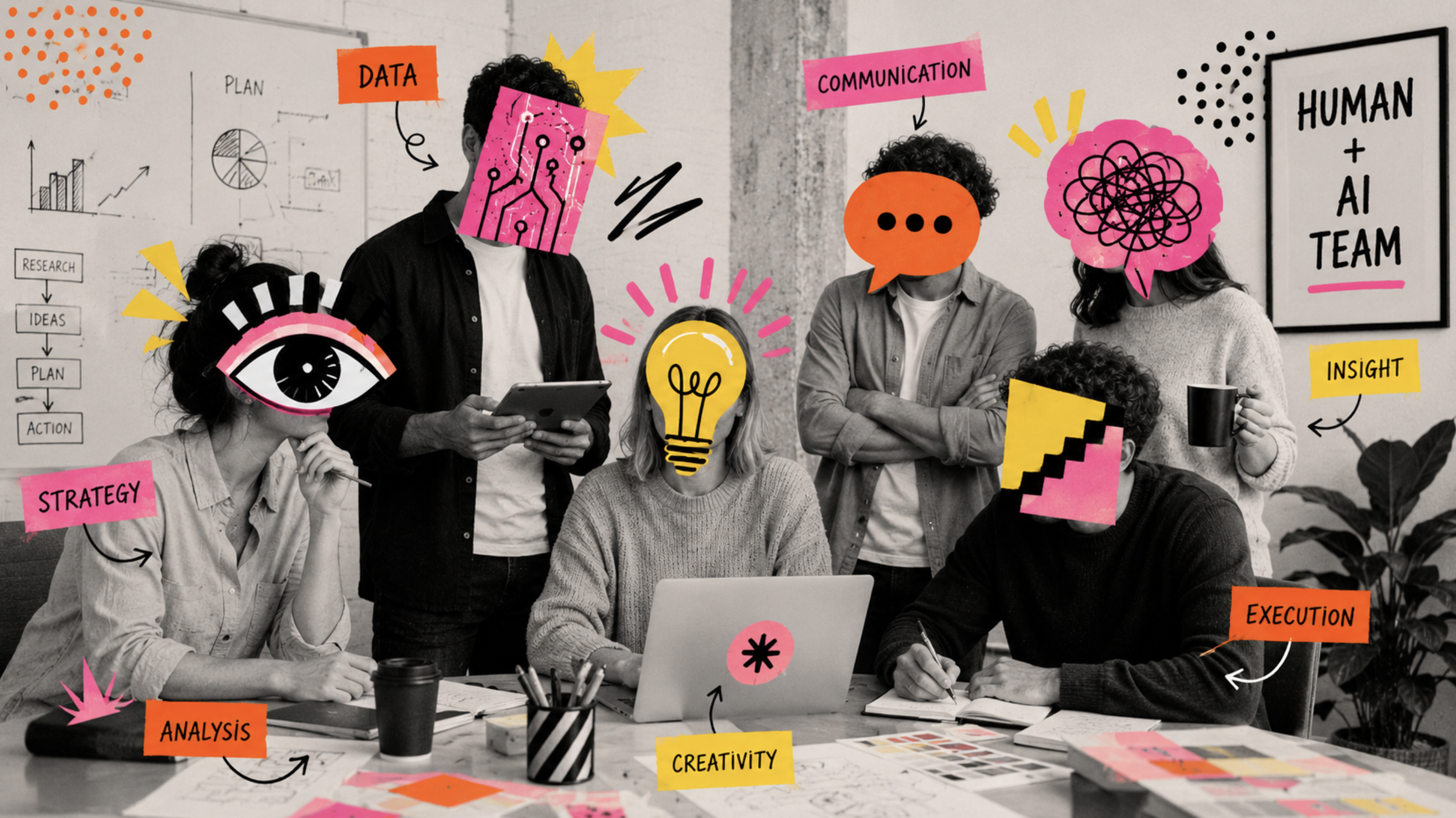
A Human-AI team is a working model where people and AI systems share responsibility for getting work done. AI can handle research, analysis, preparation, repetitive execution and increasingly entire workflows, while humans provide direction, context, judgment and accountability.
This is already moving beyond theory. OpenAI's 2026 research found that people are increasingly delegating longer tasks to AI agents rather than using AI only for short interactions. Microsoft describes a similar shift: as agents take on more execution, humans have more capacity to direct work and own outcomes.
Why Does This Change How We Think About Roles?
Traditional organizations are built around job descriptions. A marketer markets. A salesperson sells. A project manager coordinates. But much of what fills those roles is actually a collection of very different tasks.
AI makes it possible to separate those tasks in new ways.
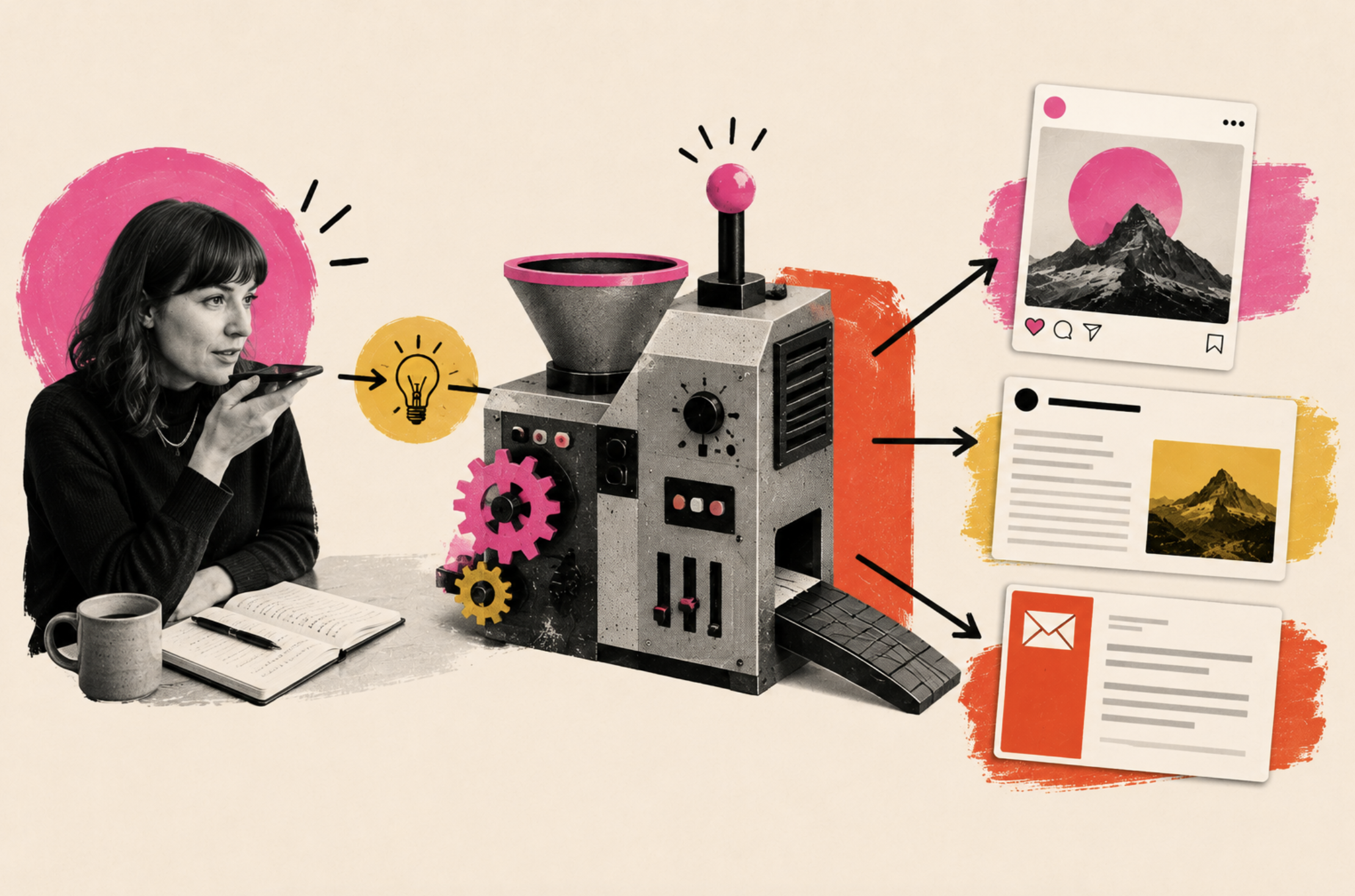
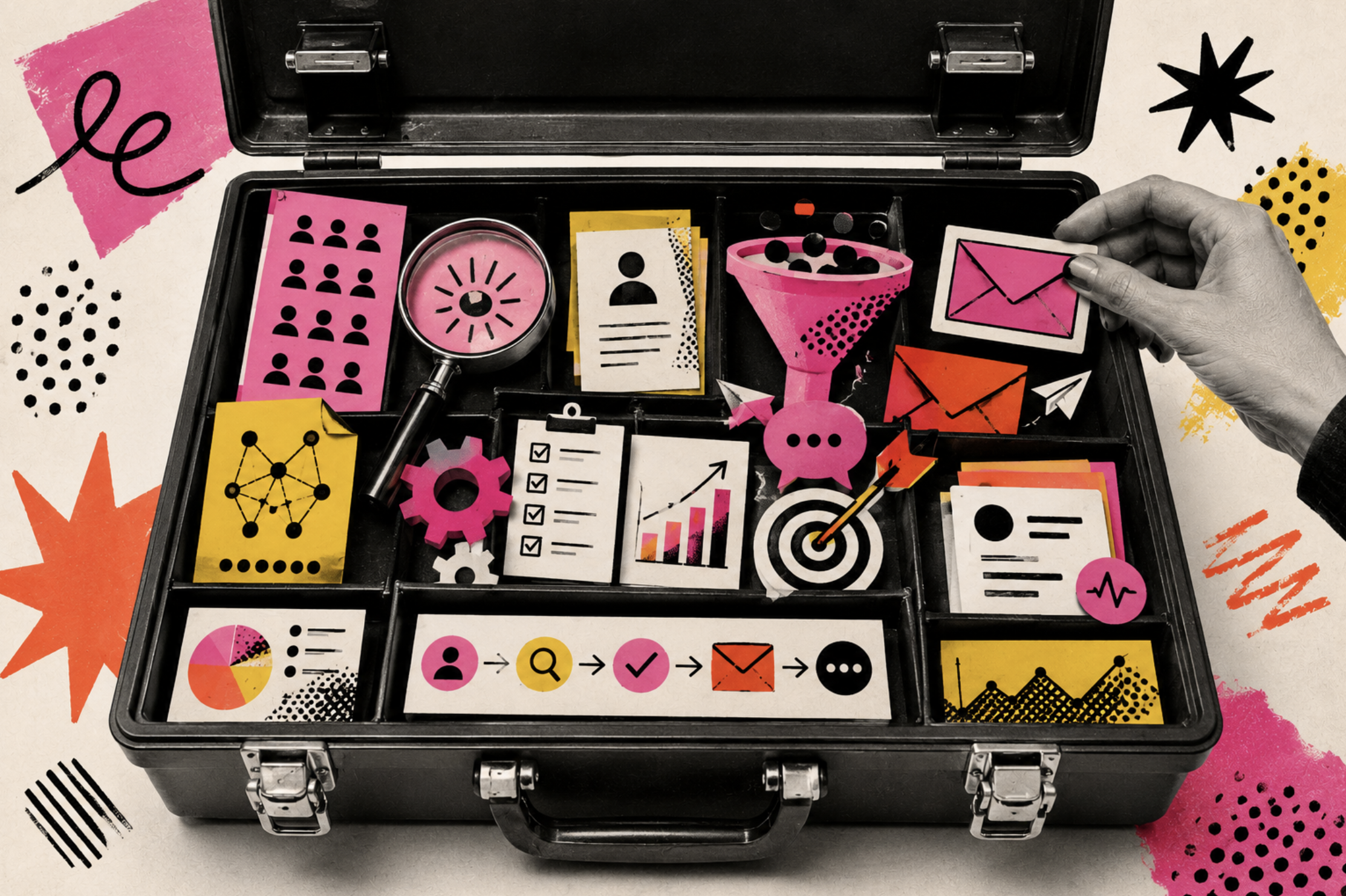
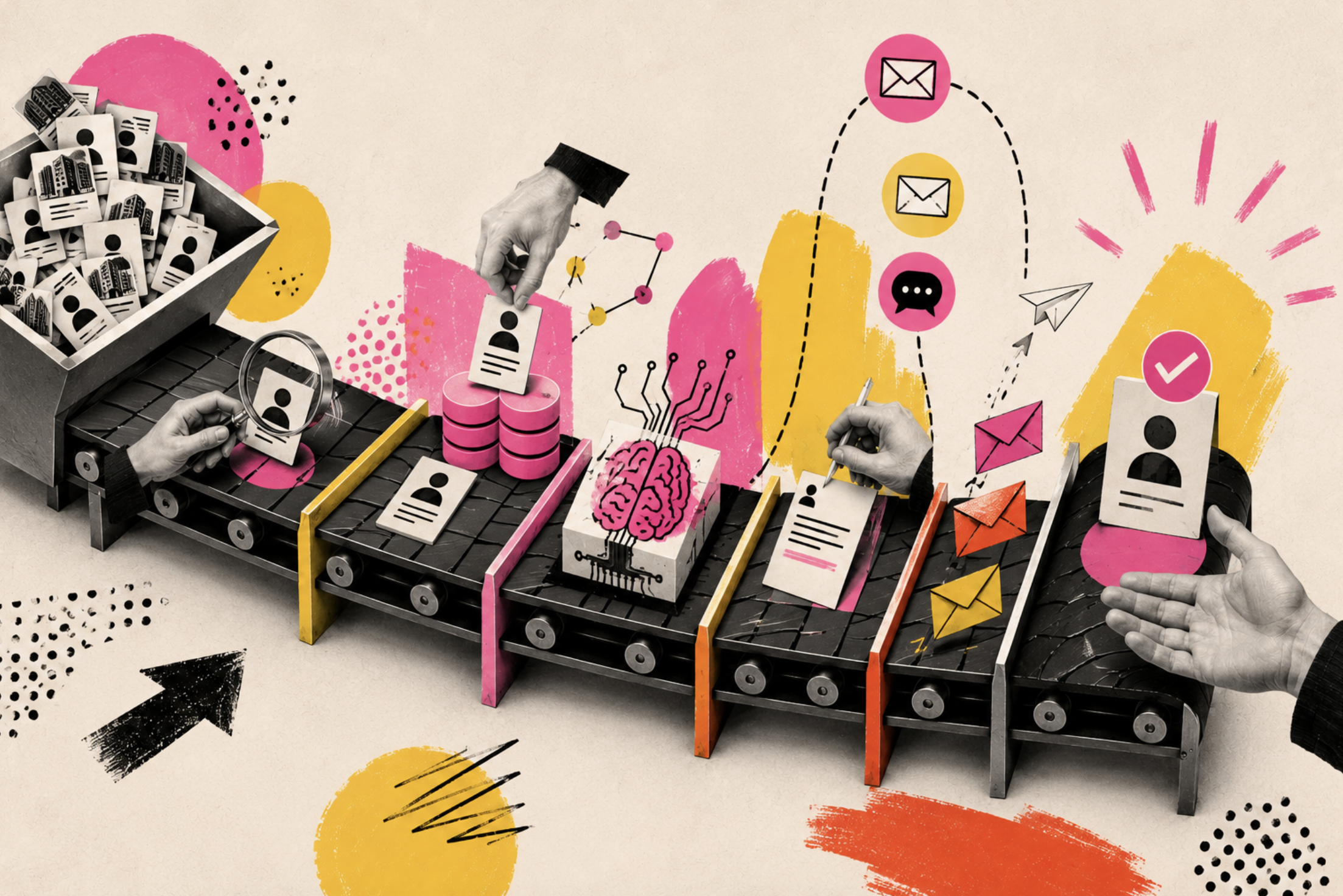
A marketer might still own the strategy, audience and creative direction while AI researches competitors, prepares drafts, repurposes content and monitors performance. A salesperson might focus on conversations and relationships while AI researches prospects, prepares outreach and keeps information updated.
McKinsey describes this as the emergence of a hybrid workforce in which people and intelligent systems operate side by side, sometimes with agents supporting humans and sometimes with humans overseeing agents, exceptions and outcomes.
Human Oversight Doesn't Disappear
Giving AI more responsibility doesn't mean removing humans from the process. In many cases, it makes defining the human role even more important.
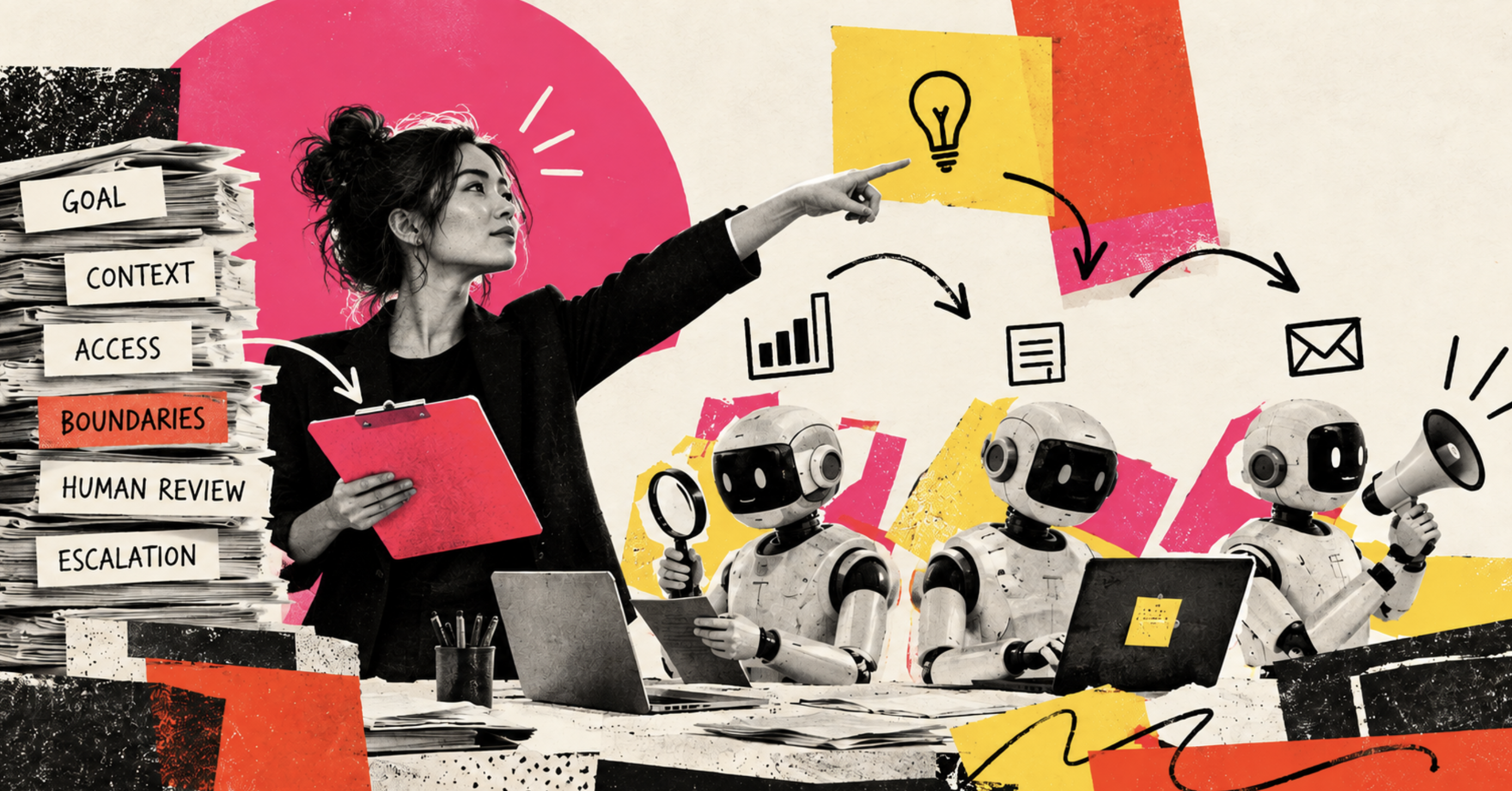
Someone still needs to decide what good looks like, provide the right context, set boundaries and take responsibility for the result. OpenAI's current approach to enterprise agents reflects exactly this principle: agents can take approved actions independently, while policies, permissions and escalation rules determine when people need to step in.
The question therefore isn't simply which tasks AI can automate. It's where human involvement creates the most value.
Designing the Team Comes First
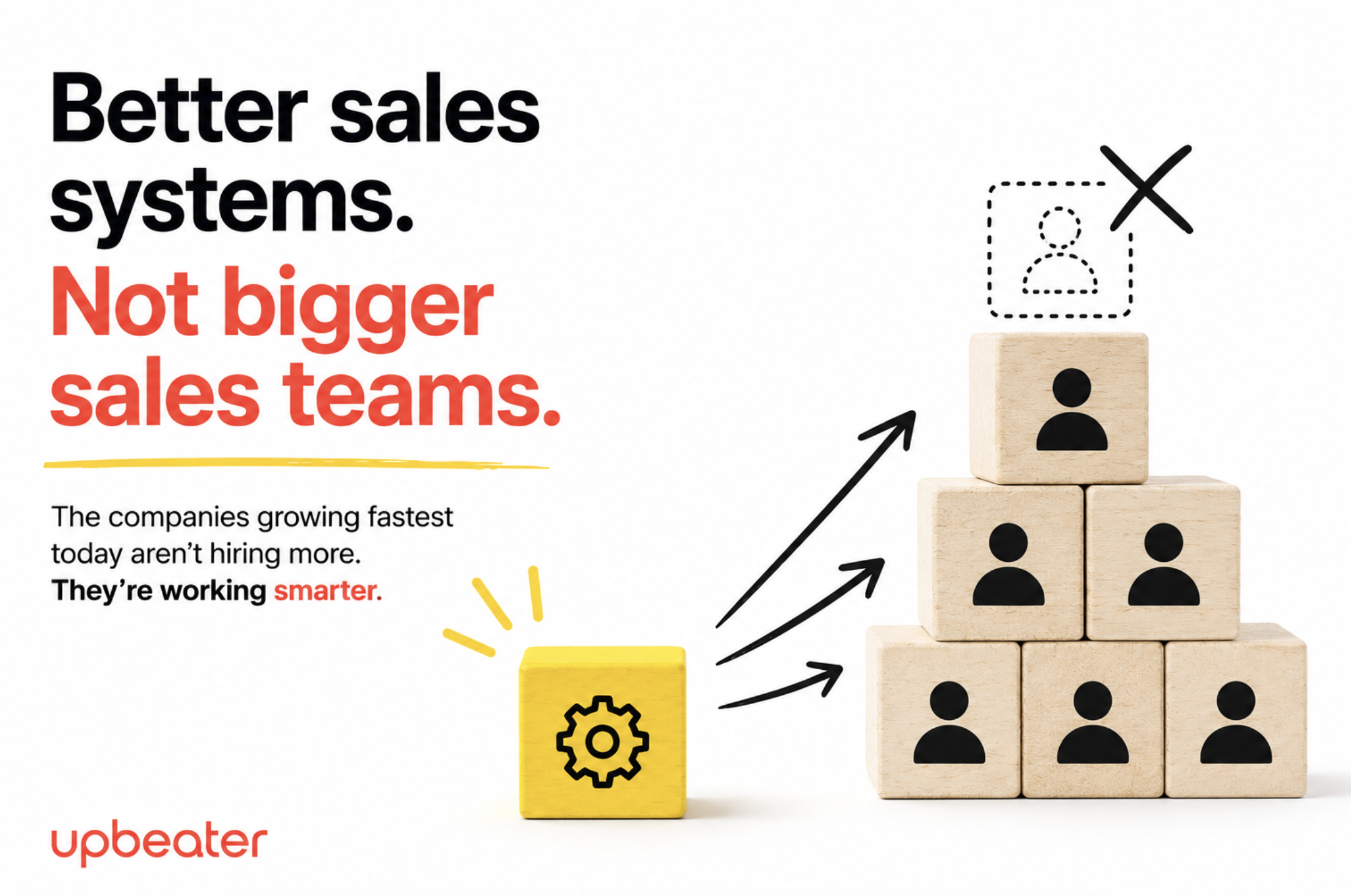
As AI capabilities become available to more companies, the advantage will increasingly come from how those capabilities are organized.
McKinsey's 2026 research calls this the symbiotic enterprise, an organizational model built around human-AI collaboration rather than treating AI as another standalone tool.
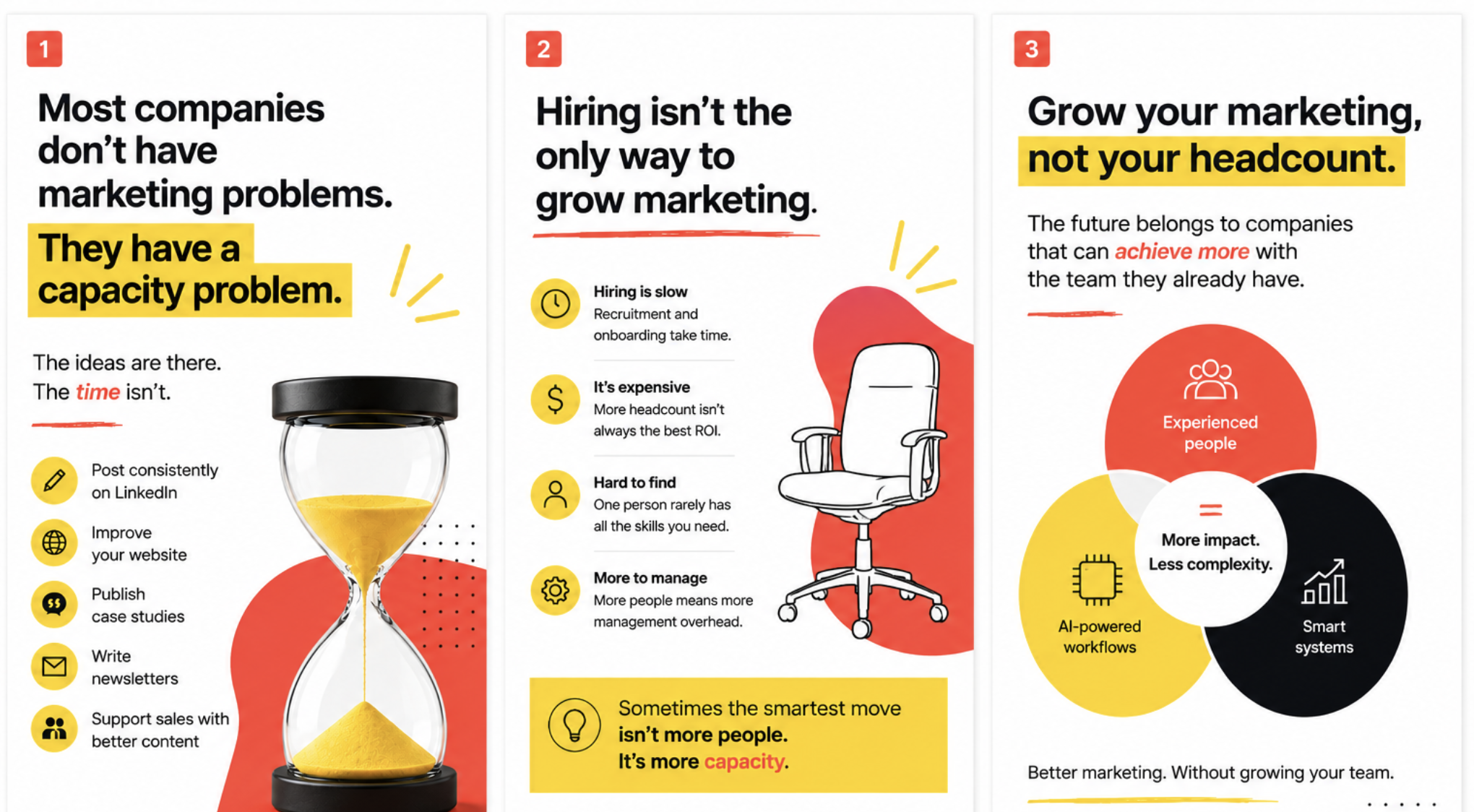
For companies, this creates a different starting point for AI adoption. Instead of asking which AI tools every employee should use, look at the work that needs to happen and decide who, or what, should do each part.
The team of the future may not simply be humans using AI.
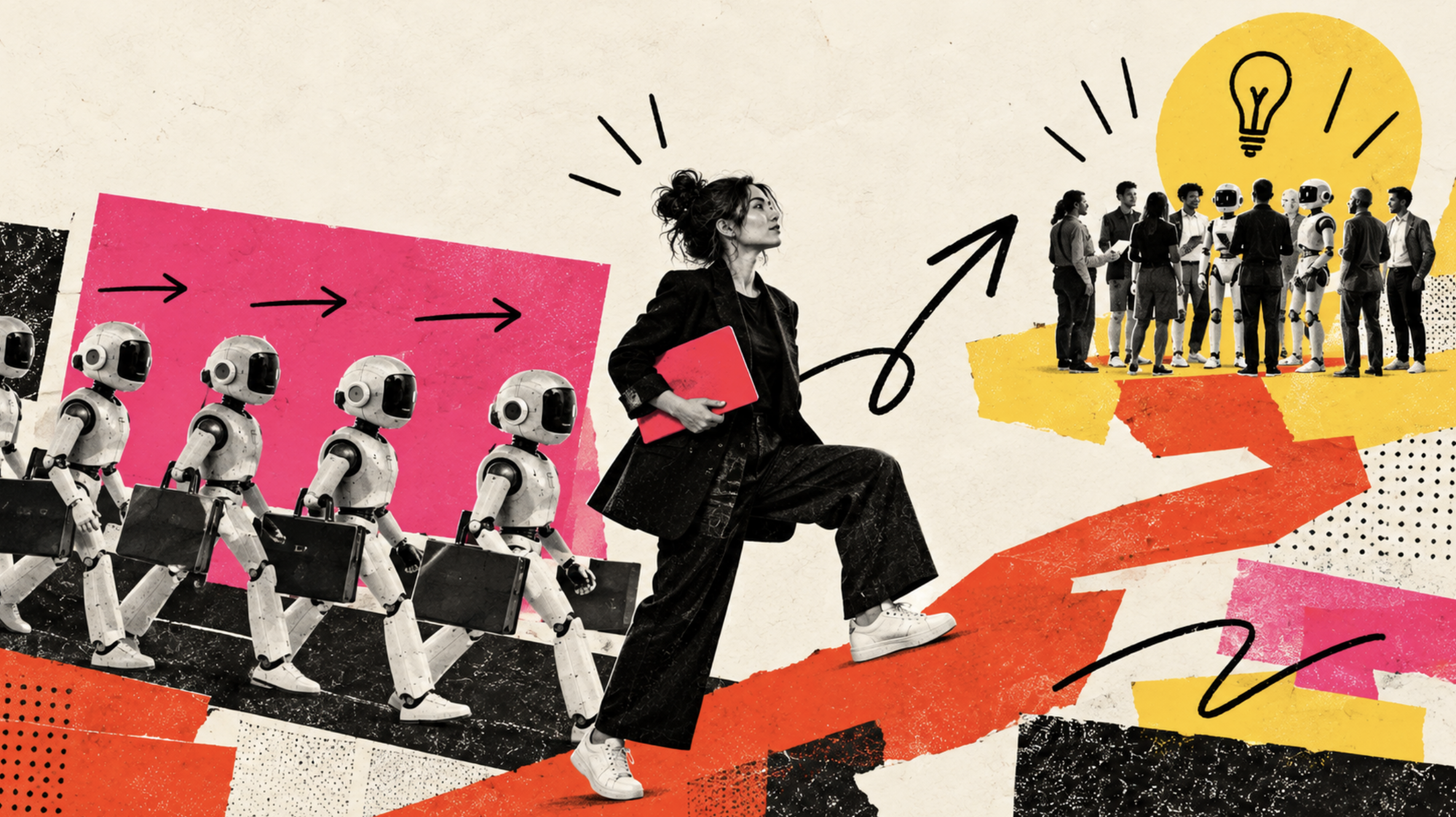
It may be humans and AI designed to work as one team.
Sources
OpenAI: How agents are transforming work
Microsoft: 2026 Work Trend Index
McKinsey: Rewiring Talent to Value in the age of AI
McKinsey: The Symbiotic Enterprise
OpenAI: Introducing OpenAI Presence
Last updated: August 2026