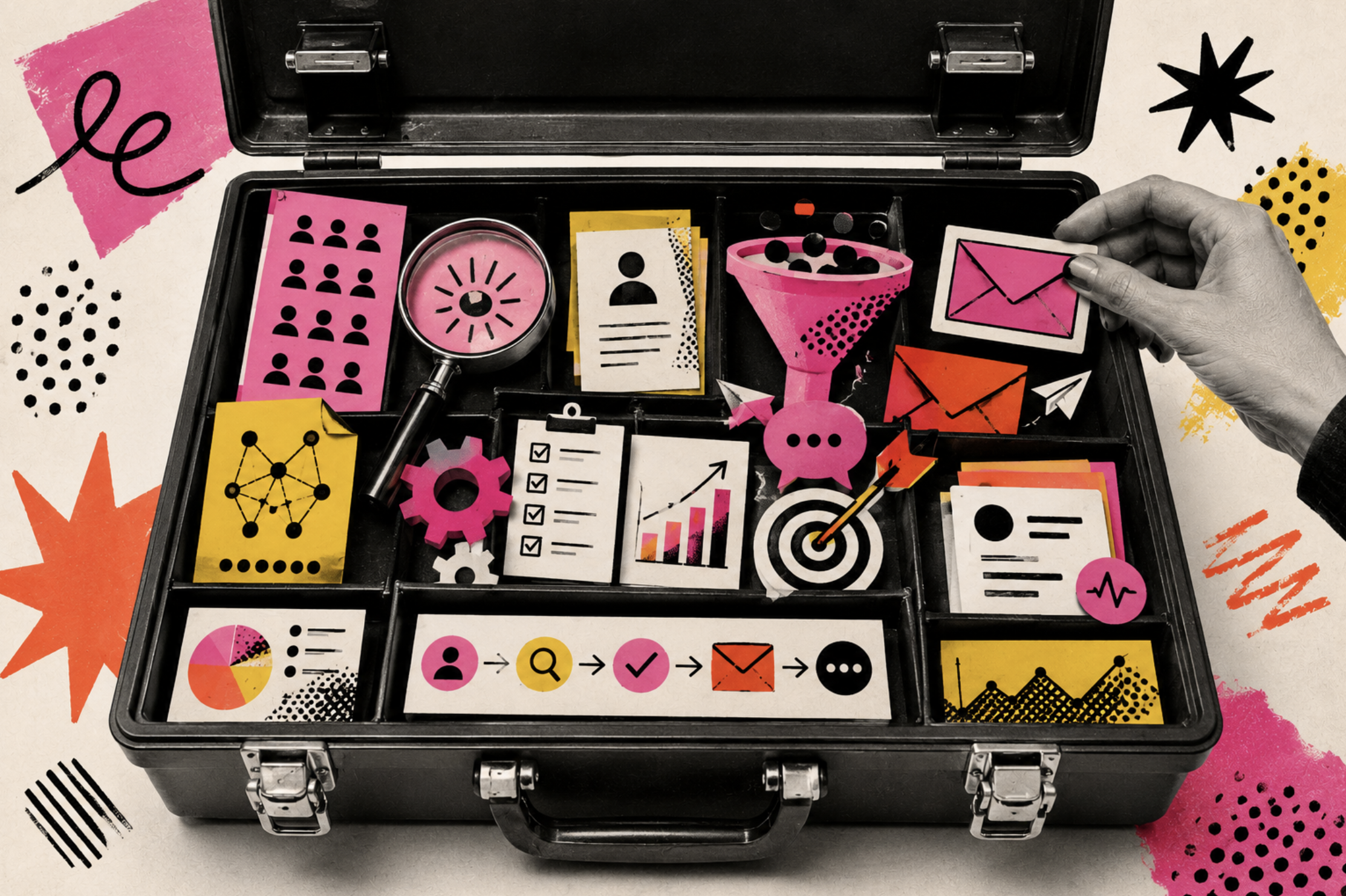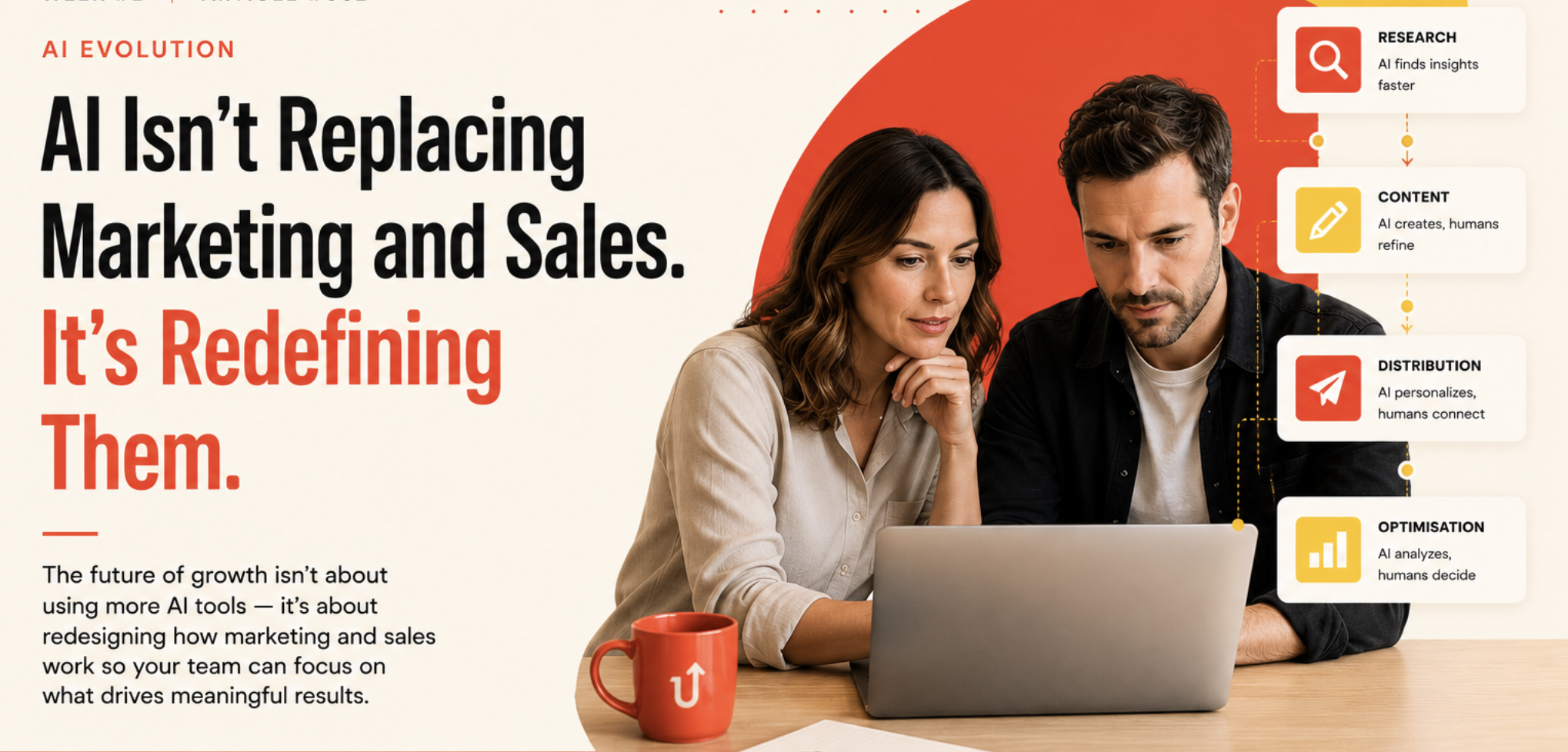
Artificial intelligence has become one of the defining business technologies of the decade. In less than three years, it has moved from experimentation to daily operations, influencing everything from customer service and software development to marketing, sales and product design. Yet despite the rapid adoption of AI tools, many organisations are struggling to translate experimentation into measurable business value.
Recent research from McKinsey illustrates this disconnect. While the majority of marketing organisations are actively experimenting with generative AI, only a small proportion have fundamentally changed the way they work. Most companies are using AI to improve isolated tasks such as copywriting, research or content generation, but relatively few have redesigned the workflows that connect these activities into a coherent operating model. According to McKinsey, organisations that rethink end-to-end workflows rather than individual tasks are significantly more likely to realise meaningful gains in productivity, speed and commercial impact.
This distinction is important because it changes how leaders should think about AI. The question is no longer whether AI can make existing work more efficient. In many cases, that has already been proven. The more strategic question is whether the way marketing and sales are organised still makes sense when many of their traditional activities can now be completed differently.
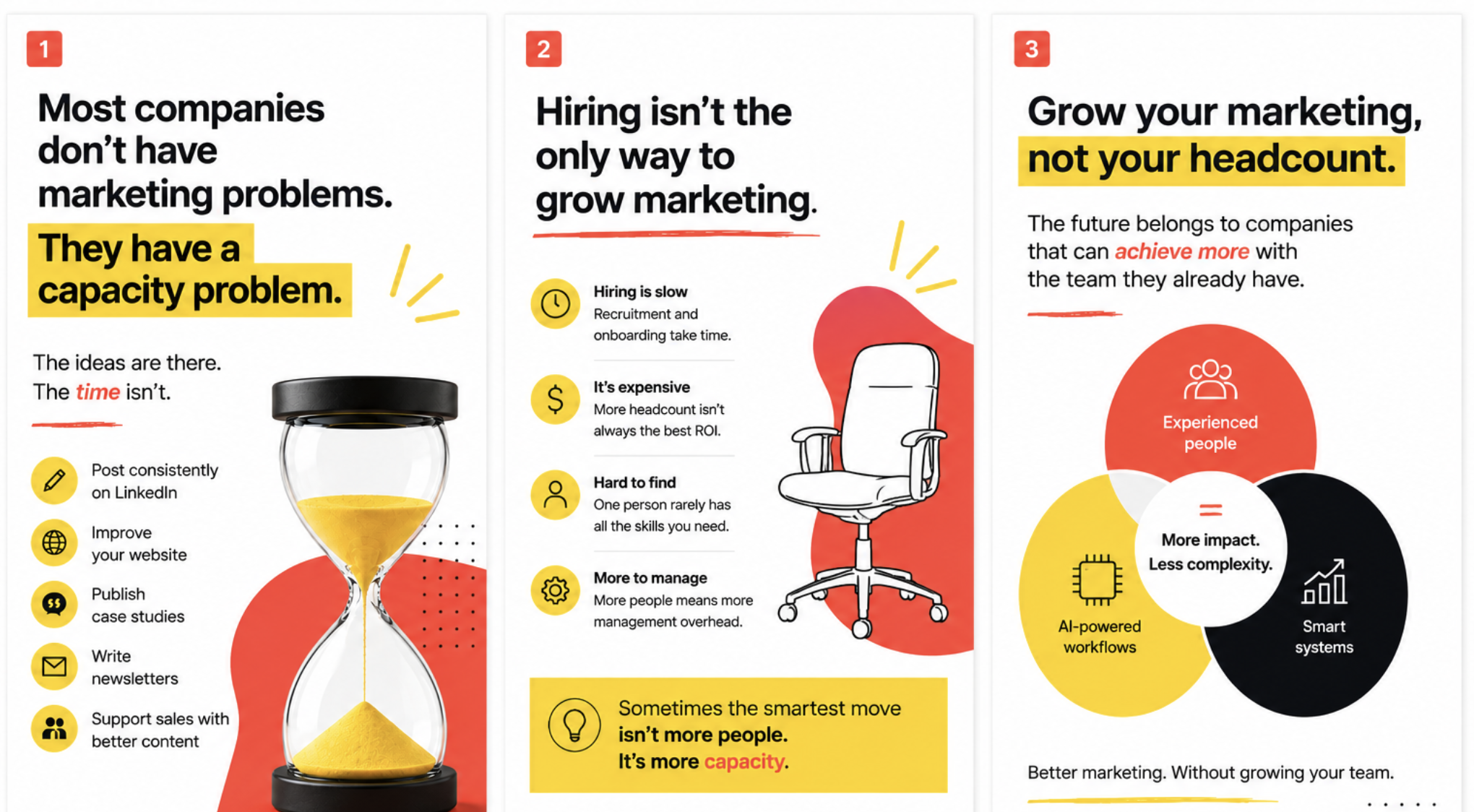
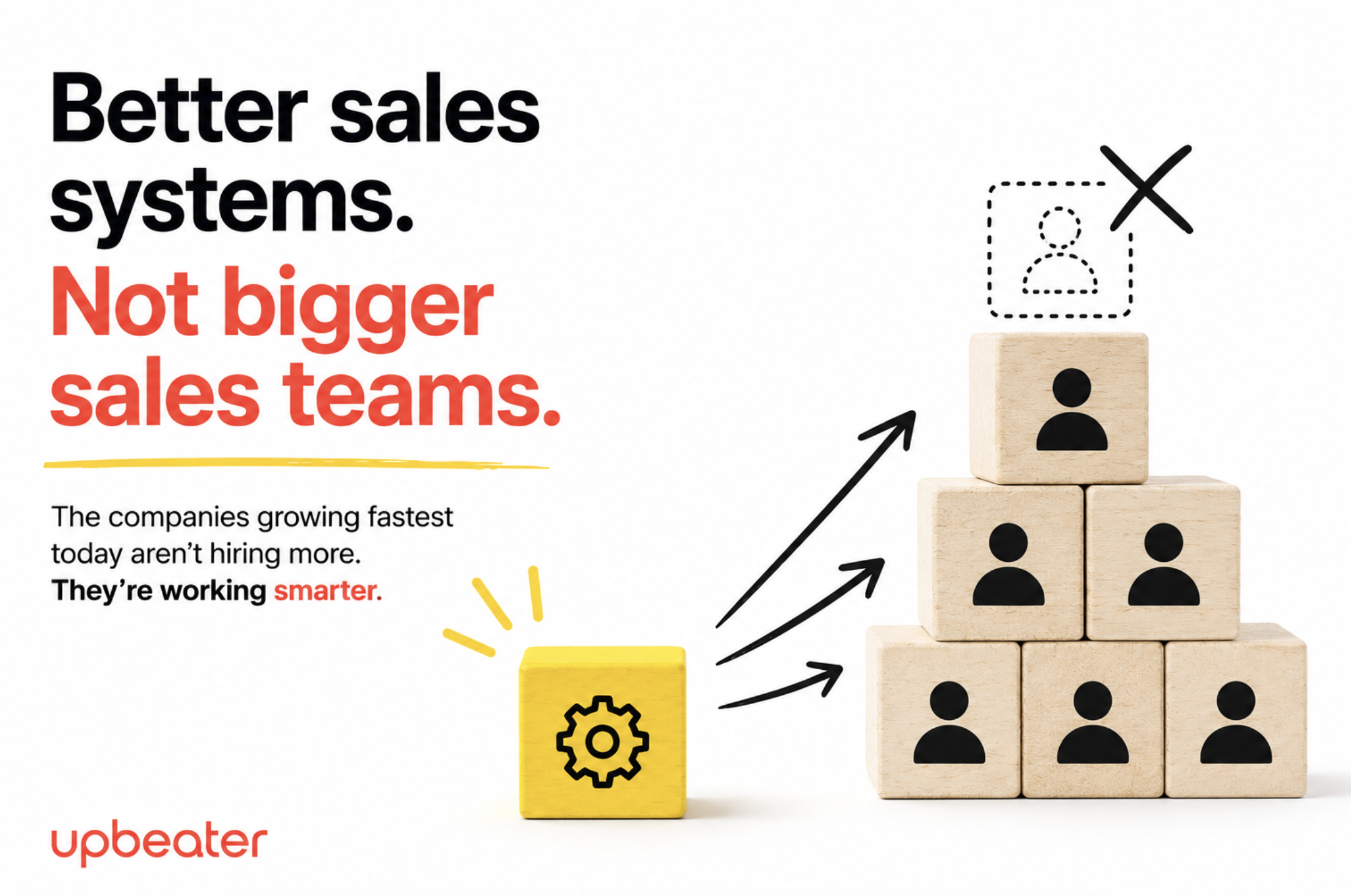
For growing companies, this question is particularly relevant. Unlike large enterprises, they rarely have the resources to expand teams every time expectations increase. Marketing departments are expected to produce more content, manage more channels and support more parts of the customer journey than ever before. Sales teams face similar pressures, balancing prospecting, relationship management, administration and forecasting while maintaining a full pipeline. AI has the potential to relieve some of this pressure, but only if it is introduced as part of a broader redesign of work rather than as another productivity tool.
Beyond Productivity
The first wave of AI adoption focused almost entirely on efficiency. Marketing teams asked whether AI could write blog posts faster. Sales teams experimented with automated email drafts and meeting summaries. While these applications undoubtedly save time, they represent only a fraction of AI's long-term impact.
Boston Consulting Group argues that the next stage of AI adoption will be defined less by automation and more by organisational transformation. In its 2026 Global CMO Survey, BCG found that although almost every marketing leader expects AI to reshape the function, only around one-third have substantially changed their operating model. Many organisations remain constrained by workflows designed for a pre-AI world, limiting the value they can extract from the technology.
This suggests that AI should not be viewed simply as another tool within the existing marketing stack. It is better understood as a catalyst for redesigning how work flows through an organisation.
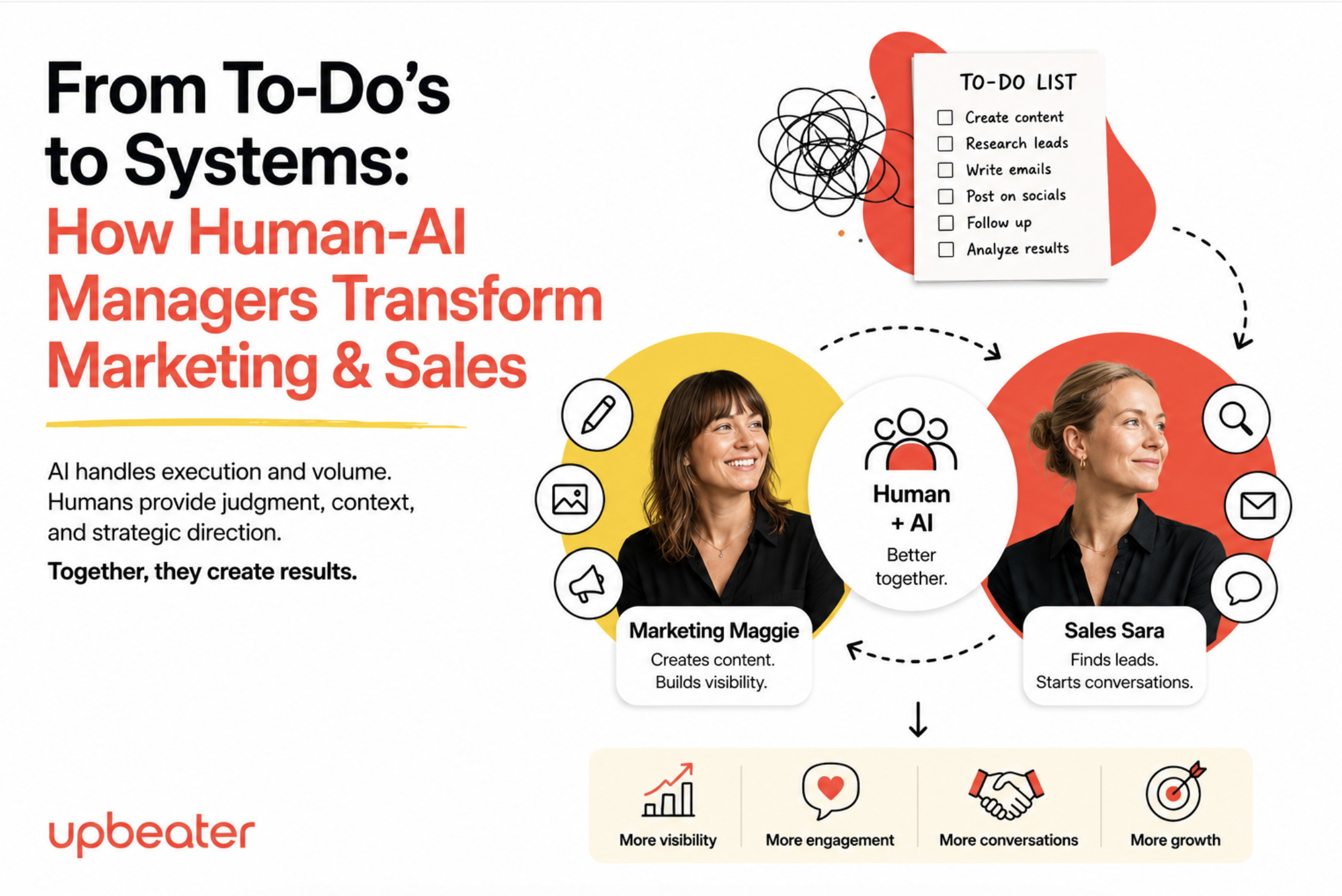
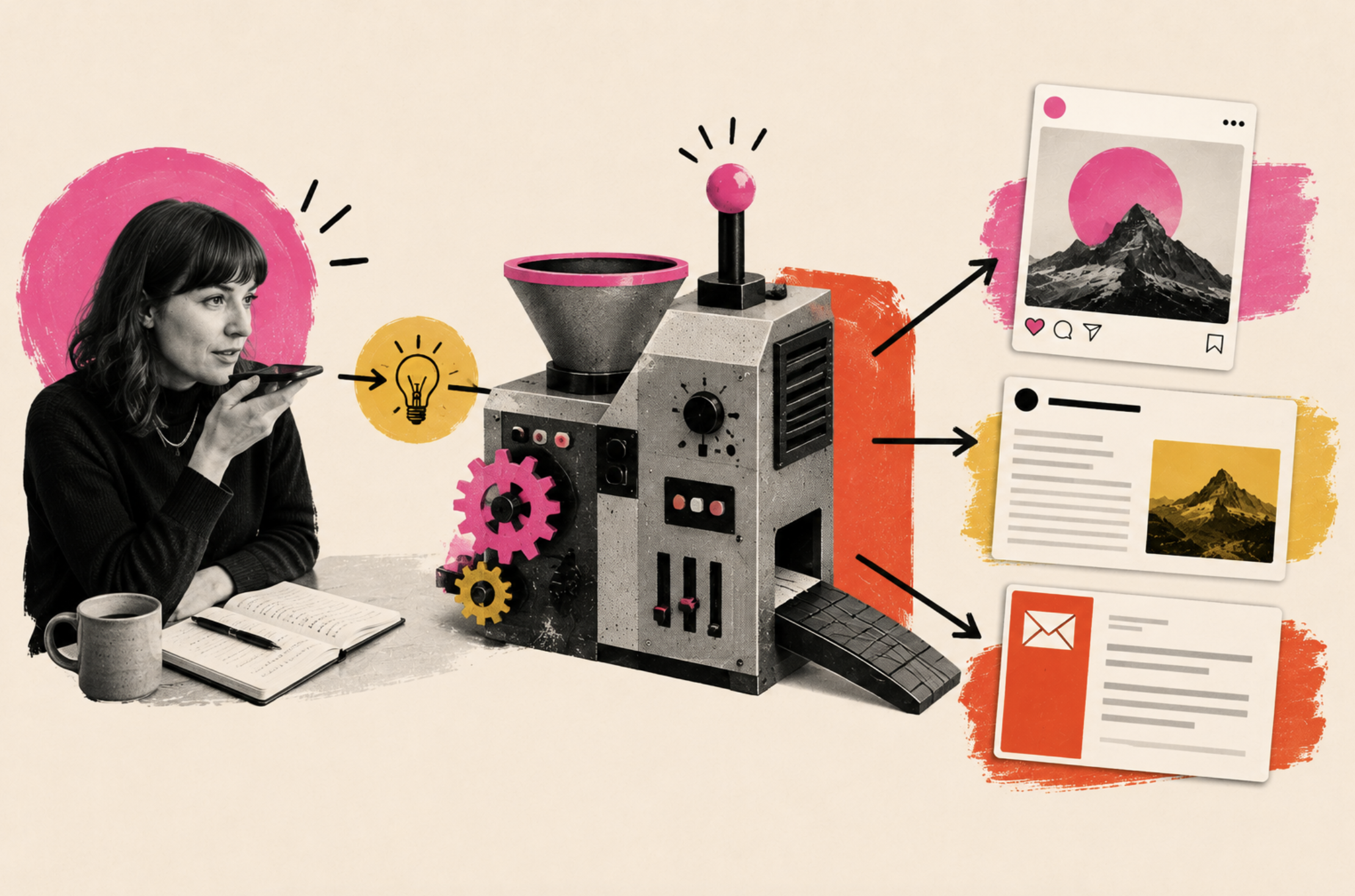
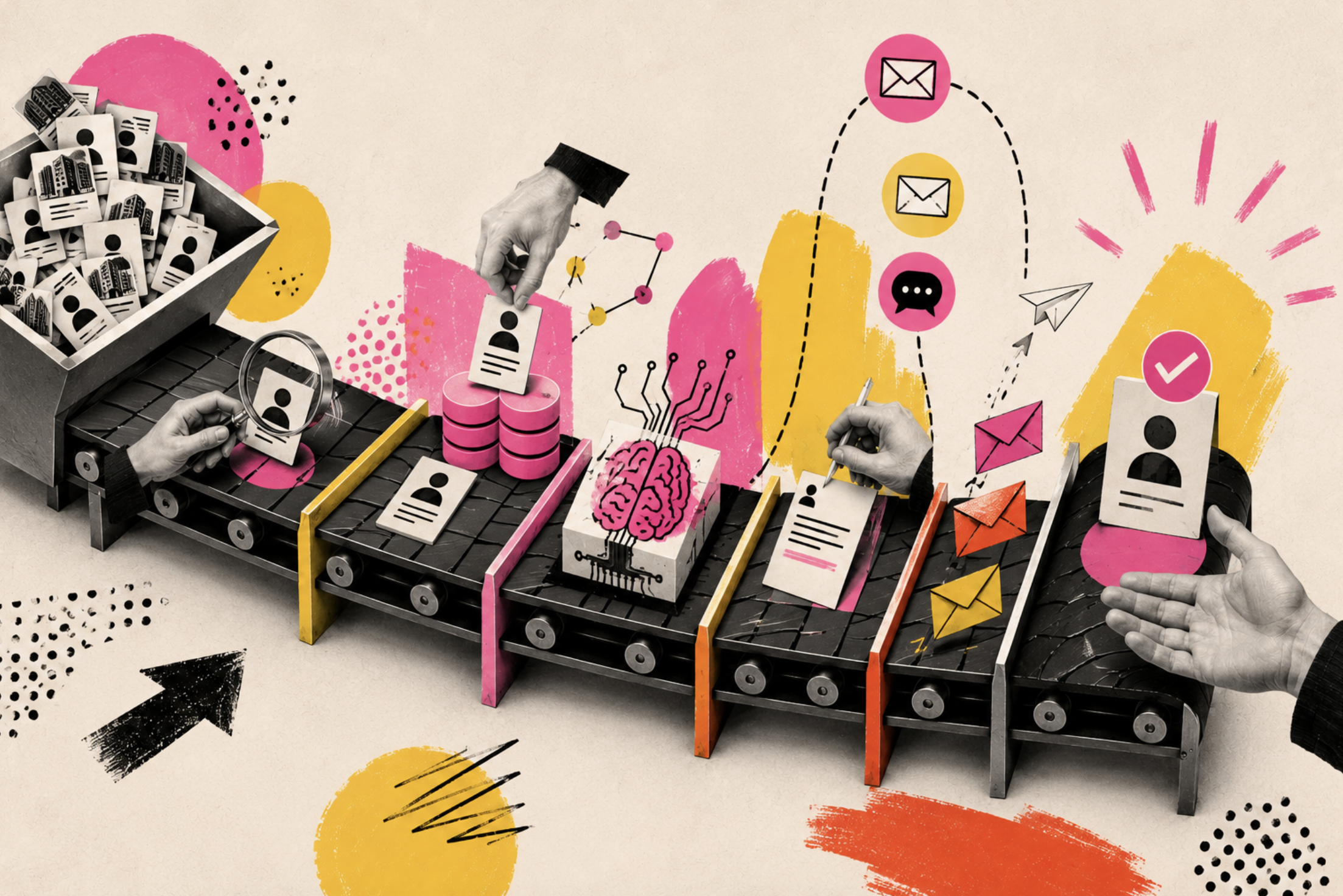
Consider a typical content marketing process. In many businesses, a subject matter expert is interviewed, a marketer writes an article, another team member adapts it for social media, someone else creates visuals, and finally the content is distributed through newsletters and campaigns. Each step is treated as an independent task, often involving different people and repeated manual effort.
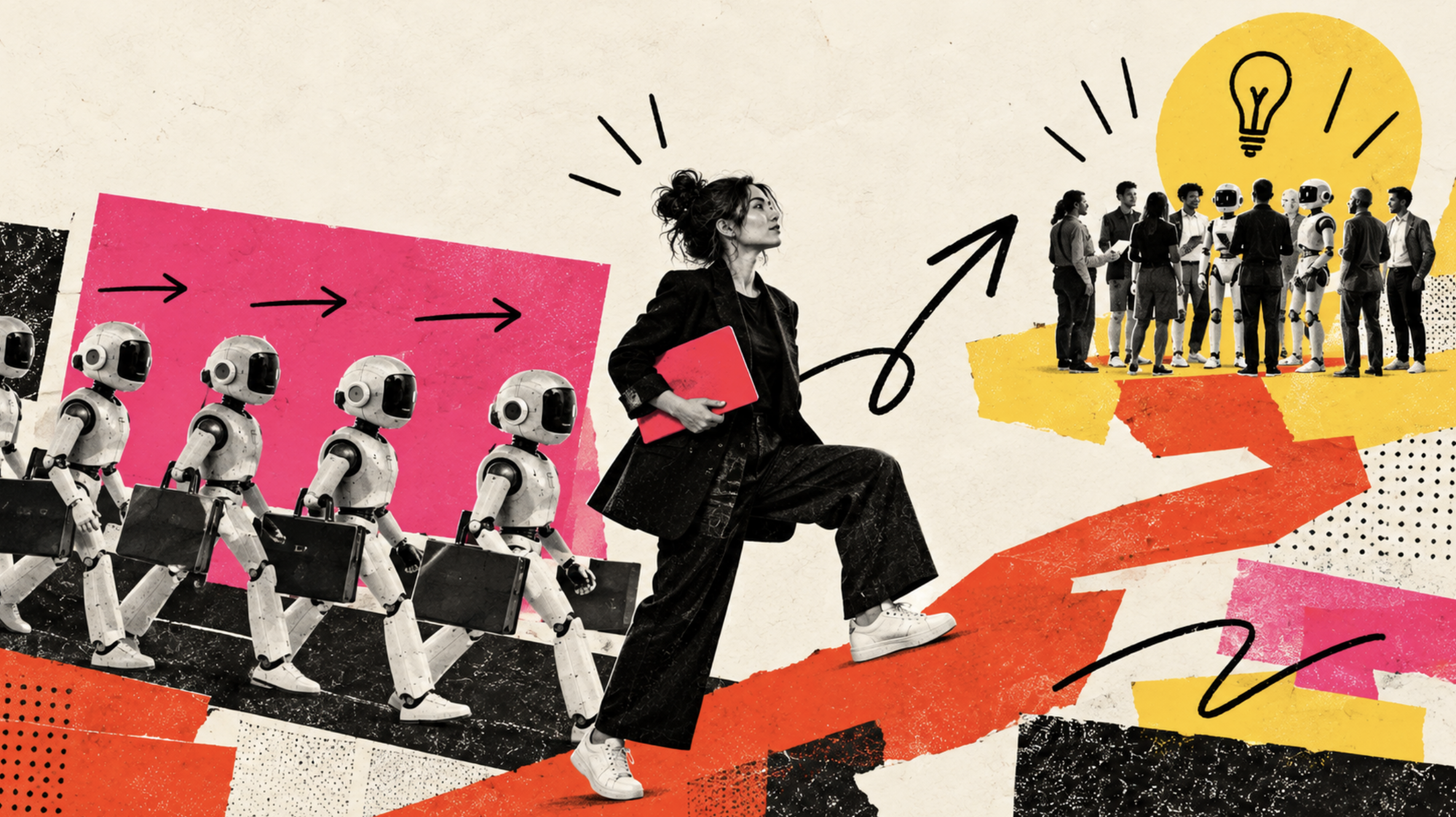
AI enables a different approach. Rather than thinking in terms of separate deliverables, organisations can build connected systems where a single piece of insight becomes the source for multiple formats, channels and customer touchpoints. The technology accelerates production, but the real gain comes from redesigning the workflow itself.
Human Expertise Is Becoming More Valuable
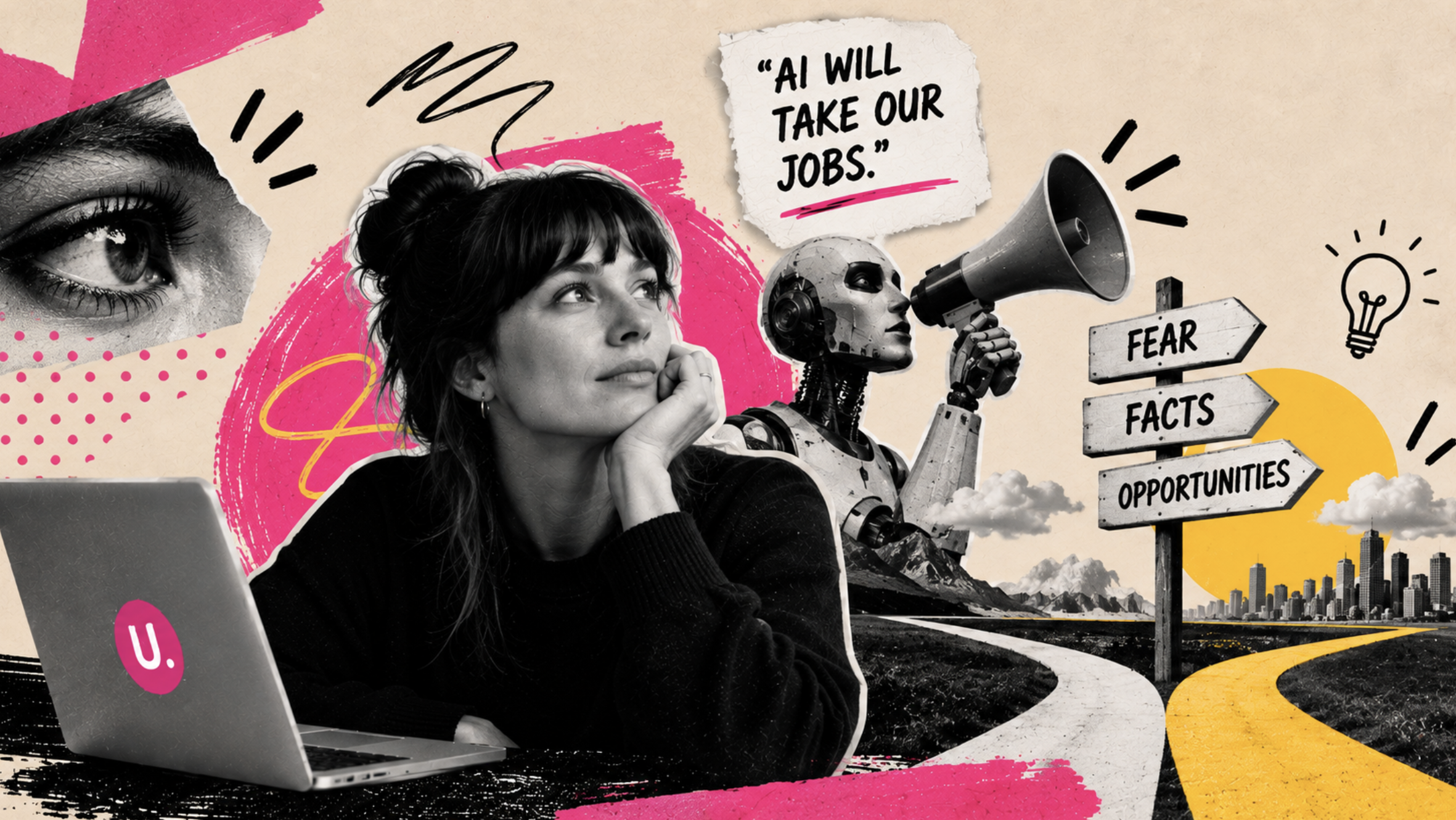
One of the most common concerns surrounding AI is whether it will reduce the need for experienced marketers and sales professionals. Current evidence points in the opposite direction.
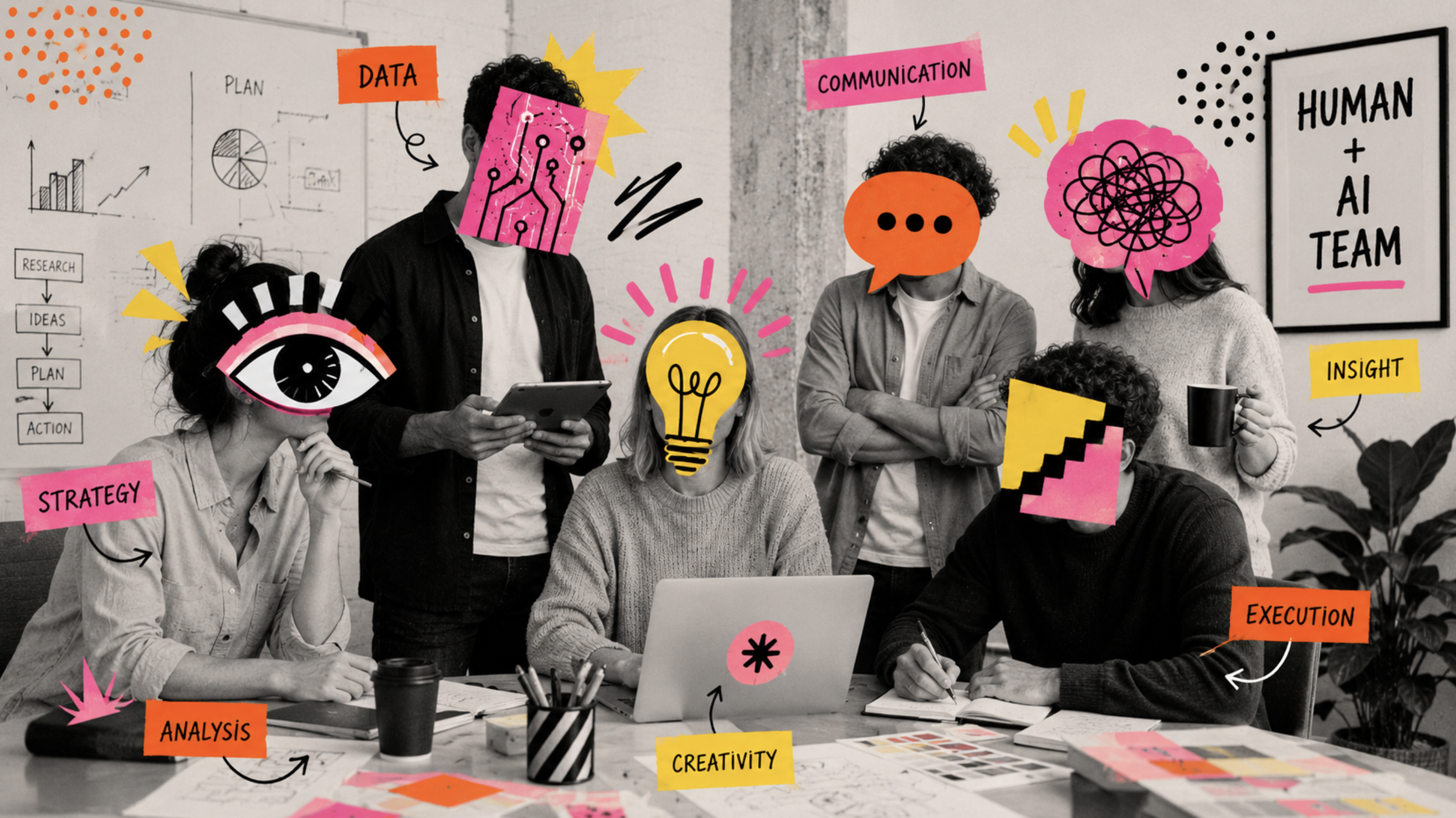
As AI becomes increasingly capable of producing first drafts, analysing information and automating repetitive work, the importance of human judgement grows. Decisions about positioning, customer understanding, prioritisation and strategic direction become more (not less) valuable because they determine the quality of everything AI produces.
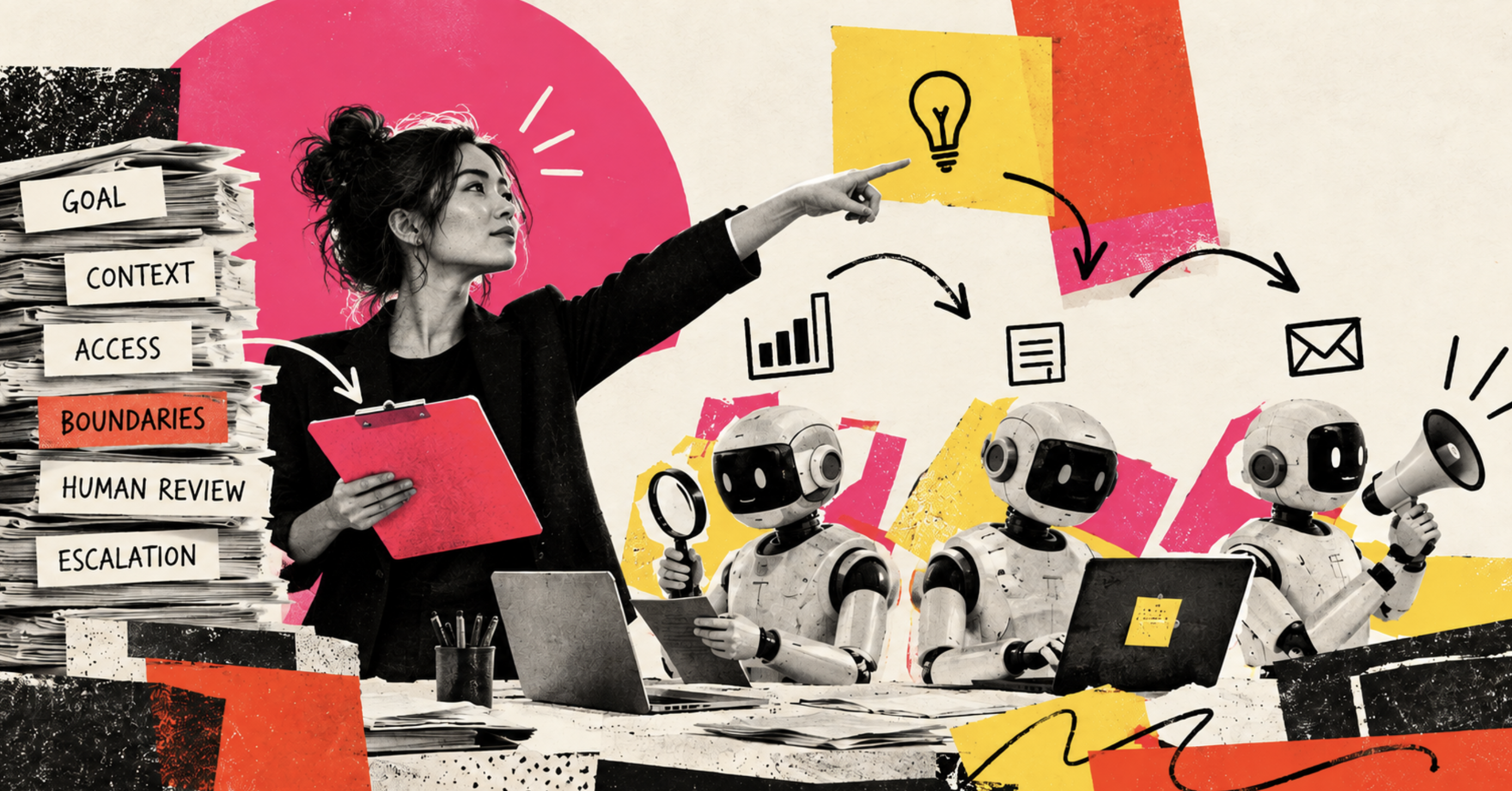
HubSpot recently reported that organisations achieving the strongest commercial outcomes with AI are those that combine technology with clearly defined human oversight rather than relying on automation alone. In practice, this means using AI to accelerate execution while reserving critical decisions for experienced professionals who understand customers, markets and business strategy.
AI Isn't Replacing Marketing and Sales. It's Redefriting the Operating Model.